
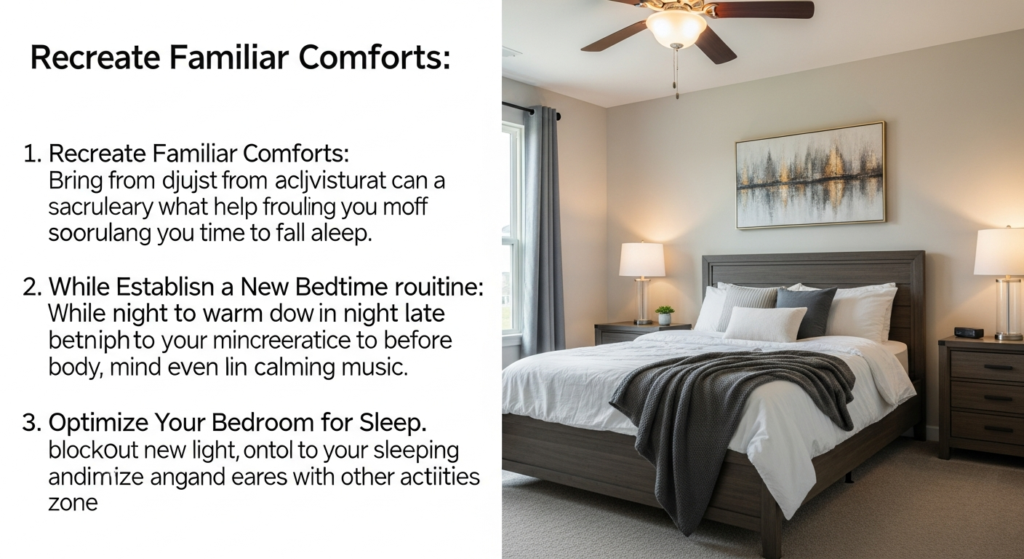
Understanding Sleep Disturbances in a New Environment
The “first night effect” is a well-documented phenomenon where individuals experience poorer sleep quality when sleeping in an unfamiliar environment. This isn’t just anecdotal; scientific research suggests our brains remain more vigilant in new surroundings as a survival mechanism. One hemisphere of the brain, often the left, stays partially awake, acting as a “night watchman” to monitor for potential threats in an unknown territory. This evolutionary adaptation, while once crucial for survival, can be a major hindrance to achieving deep, restorative sleep in your beautiful new home.
Beyond this primal vigilance, several other factors contribute to sleep challenges after a move. The sheer stress of relocating – coordinating logistics, packing, unpacking, and adjusting to a new routine – can elevate cortisol levels, making it harder to relax. Your circadian rhythm, your body’s internal clock, thrives on consistency. A change in daily schedule, light exposure, or even meal times can throw this delicate rhythm off balance. New sounds, smells, and ambient light sources that you haven’t yet adapted to can also trigger your senses, preventing your mind from fully unwinding.
For women, these challenges can be further complicated by hormonal fluctuations throughout various life stages. For example, during perimenopause and menopause, hot flashes, night sweats, and anxiety can significantly disrupt sleep patterns, regardless of your environment. In such cases, understanding how a menopause tracker can help women monitor symptoms and identify triggers can be an invaluable tool. By tracking these changes, you can present a clearer picture to your healthcare provider, leading to more targeted strategies to manage sleep disturbances, whether you’re in an old home or a new one. Recognizing these underlying factors is the first step toward reclaiming your sleep and truly settling into your new space.
Tip 1: Crafting Your Sanctuary – The Power of a Personalized Sleep Space
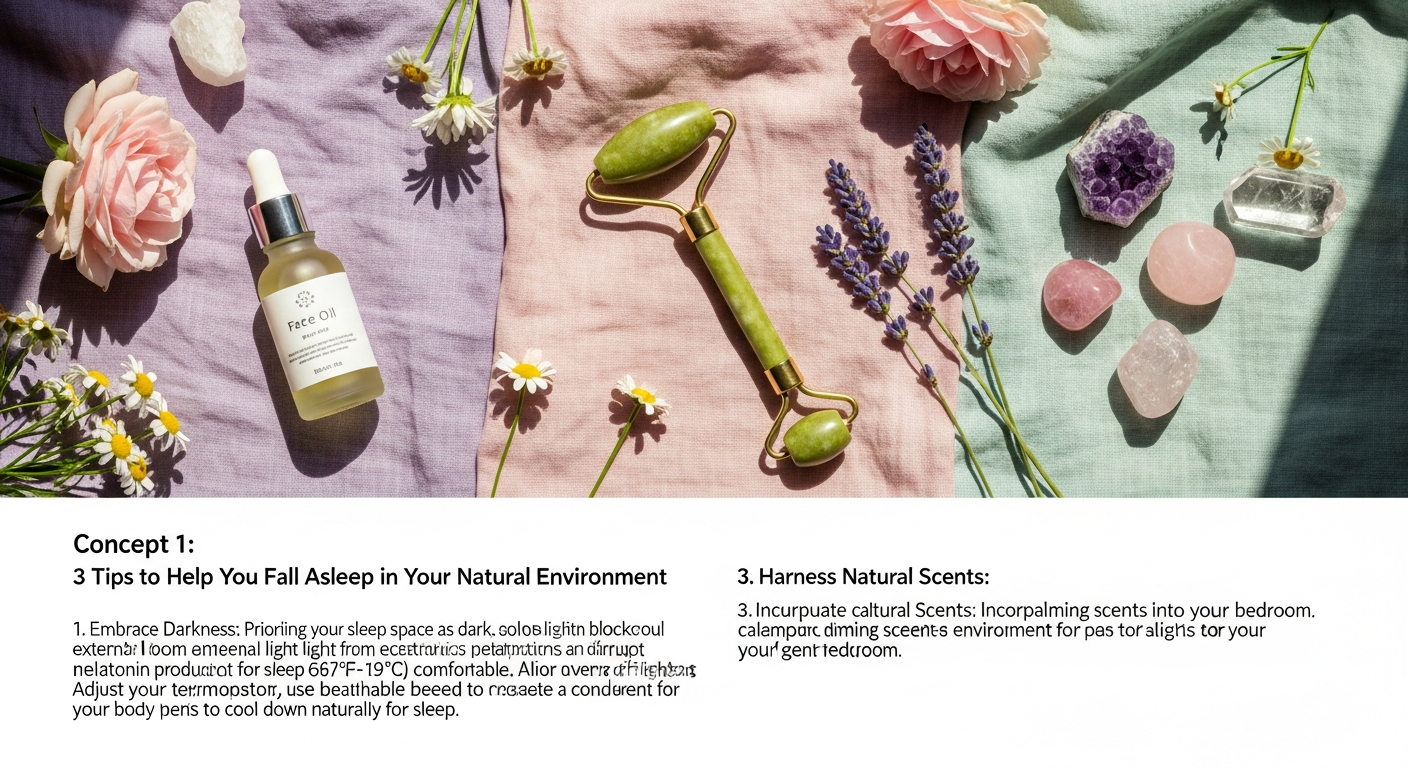
Your bedroom should be more than just a room with a bed; it should be a carefully curated sanctuary dedicated to rest and rejuvenation. Especially in a new home, intentionally designing your sleep environment can profoundly impact your ability to fall asleep and stay asleep. This process involves appealing to all your senses, creating an atmosphere that signals to your brain it’s time to unwind and let go.
Optimize Temperature and Air Quality
The ideal sleeping temperature typically falls between 60 and 67 degrees Fahrenheit (15-19 degrees Celsius). A cooler room signals to your body that it’s time to prepare for sleep, as your core body temperature naturally dips during the night. Experiment with your thermostat to find your personal sweet spot. Beyond temperature, consider the air quality. A stuffy or dusty room can irritate airways and disrupt breathing. Ensure good ventilation by opening a window for a short period before bed, or invest in an air purifier, especially if you have allergies or sensitivities. Clean, fresh air is fundamental to deep sleep, creating a refreshing atmosphere that supports your body’s natural restorative processes.
Master Darkness and Silence
Light, particularly blue light emitted from screens, suppresses melatonin production, the hormone crucial for sleep. In a new home, streetlights, car headlights, or even digital clocks can be unexpected sources of light pollution. Invest in blackout curtains or blinds that completely block out external light. If these aren’t feasible immediately, a comfortable eye mask can be a surprisingly effective interim solution. For silence, new homes often come with new sounds – unfamiliar neighborhood noises, creaky floors, or even the hum of a different HVAC system. High-quality earplugs can be a lifesaver. Alternatively, a white noise machine can mask disruptive sounds by providing a consistent, soothing background hum. The gentle, rhythmic sound can create a cocoon of auditory comfort, allowing your mind to switch off from external distractions.
Embrace Comfort and Aesthetics
Your bed is the centerpiece of your sleep sanctuary, and its comfort is paramount. Ensure your mattress provides adequate support and is free from lumps or sags. Choose pillows that support your neck and head in a neutral alignment. Luxurious, breathable bedding made from natural fibers like cotton or linen can enhance comfort and regulate temperature. Beyond the bed itself, consider the overall aesthetics of your room. Calming color palettes – soft blues, greens, greys, or muted neutrals – can promote relaxation. Minimize clutter, as a disorganized space can create a sense of mental clutter and unease. Add personal touches that evoke peace and happiness, such as framed photos of loved ones, a favorite plant, or a cherished piece of art. These elements help your new bedroom feel familiar and comforting, reducing the anxiety associated with an unknown space. Think of it as creating a visual lullaby for your brain, signaling safety and serenity.
Engage Your Senses with Soothing Aromas
Aromatherapy can be a powerful tool for signaling relaxation. Lavender, chamomile, bergamot, and cedarwood are all known for their calming properties. Diffuse a few drops of a pure essential oil in your bedroom an hour or so before bedtime. You can also spritz a linen spray with calming essential oils onto your pillows and sheets. The consistent use of these aromas can create a conditioned response, where your brain begins to associate these scents with winding down and sleep. This sensory cue can be particularly helpful in a new environment, providing a familiar and comforting anchor amidst the newness. Just as certain scents can evoke memories, they can also trigger physiological responses, helping to lower heart rate and promote a state of restful readiness.
Tip 2: Establishing a Mindful Bedtime Routine – Preparing Your Body and Mind
Consistency is Your Best Friend
Your circadian rhythm, your internal 24-hour clock, craves regularity. Going to bed and waking up at roughly the same time each day, even on weekends, helps to regulate this rhythm. This consistency strengthens your body’s natural sleep-wake cycle, making it easier to fall asleep at night and wake up feeling refreshed. When you move, it’s easy for your schedule to become erratic, but prioritizing this consistent sleep window is one of the most powerful steps you can take. Your body will learn to anticipate sleep, releasing melatonin and preparing itself for rest as your designated bedtime approaches.
Wind-Down Rituals: The Art of Letting Go
The hour or two before bed should be dedicated to gentle, relaxing activities that promote calm. Avoid stimulating tasks like intense workouts, stressful conversations, or work-related activities during this time. Instead, choose activities that soothe your nervous system:
- Reading a Physical Book: Escaping into a story (not on a screen) can distract your mind from daily worries and gently guide you towards sleep.
- Gentle Stretching or Yoga: A few minutes of restorative stretches can release physical tension and calm your mind. Focus on slow, deliberate movements and deep breathing.
- Warm Bath or Shower: The warm water can relax muscles, and the subsequent drop in body temperature as you exit the bath can promote sleepiness. Enhance the experience with calming essential oils like lavender or Epsom salts.
- Self-Care Rituals: This is a perfect opportunity to indulge in pampering. Consider how to do a facial at home. A gentle cleansing, a soothing mask, and a hydrating moisturizer can be a wonderfully relaxing and mindful practice. The act of caring for yourself, away from screens and distractions, signals to your brain that it’s time to slow down and nurture your well-being. This kind of intentional self-care is not a luxury, but a vital component of a holistic approach to health, preparing both your skin and your mind for restorative sleep.
- Listen to Calming Music or Podcasts: Choose instrumental music, nature sounds, or a gentle, spoken-word podcast designed for sleep.
Implement a Digital Detox
The blue light emitted from smartphones, tablets, computers, and even some TVs can significantly interfere with melatonin production. Aim to power down all electronic devices at least 60-90 minutes before your planned bedtime. If you must use screens, enable blue light filters or wear blue light-blocking glasses. The constant stream of information and stimulation from digital devices keeps your brain highly active, making it difficult to transition into a restful state. Replace screen time with one of your wind-down rituals, allowing your mind to truly disconnect and prepare for sleep.
Practice Mindful Journaling
If your mind tends to race with worries or to-do lists as soon as your head hits the pillow, journaling can be a powerful tool. Dedicate 10-15 minutes earlier in the evening to jot down any concerns, thoughts, or plans for the next day. This act of transferring your thoughts from your mind to paper can help clear your mental clutter, giving you a sense of control and allowing you to release anxieties before bedtime. It’s a structured way to process the day’s events and set aside worries until the morning, preventing them from encroaching on your sleep.
Embrace Mindfulness and Meditation
Short guided meditations, progressive muscle relaxation, or deep breathing exercises can effectively calm a busy mind. There are numerous apps and online resources available that offer guided sessions specifically designed for sleep. Even five to ten minutes of focused breathwork – inhaling deeply, holding, and exhaling slowly – can activate your parasympathetic nervous system, shifting your body into a “rest and digest” state. This practice helps to quiet the internal chatter and cultivate a sense of inner peace, making the transition to sleep smoother and more profound. It’s about training your brain to let go of the day and embrace the stillness of the night.
Tip 3: Harnessing Lifestyle Habits for Optimal Sleep – Beyond the Bedroom
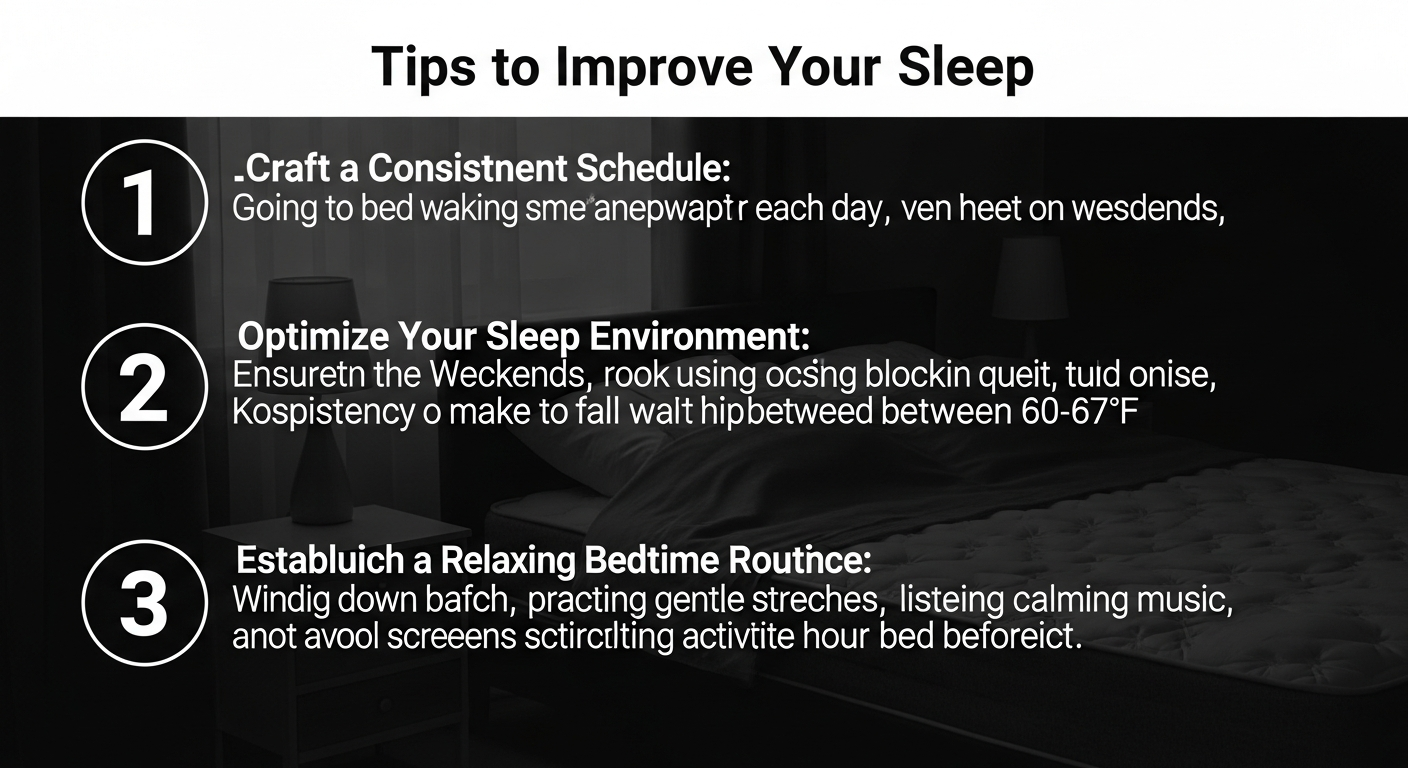
While creating a perfect sleep sanctuary and mastering your bedtime routine are crucial, quality sleep is also deeply intertwined with your overall daily lifestyle choices. The habits you cultivate throughout the day significantly influence your body’s ability to wind down and achieve restorative sleep at night. For the health-conscious woman, understanding and optimizing these broader lifestyle factors is key to unlocking consistent, high-quality sleep in your new home and beyond.
Nourish Your Body Wisely
What and when you eat can dramatically impact your sleep. Avoid heavy, rich, or spicy meals close to bedtime, as your digestive system will be working overtime, making it difficult to relax. Aim to finish your last substantial meal at least 2-3 hours before you plan to sleep. Be mindful of caffeine and alcohol intake. While alcohol might initially make you feel drowsy, it disrupts sleep cycles later in the night, leading to fragmented and less refreshing sleep. Caffeine, present in coffee, tea, chocolate, and some sodas, has a long half-life, meaning its stimulating effects can linger for hours. Limit caffeine intake, especially after midday. Instead, opt for herbal teas or warm milk as a comforting pre-sleep beverage. Ensure adequate hydration throughout the day, but reduce fluid intake in the hour or two before bed to minimize nighttime bathroom trips. A balanced diet rich in whole foods, lean proteins, and complex carbohydrates supports overall health, which in turn, supports better sleep.
Embrace Regular Physical Activity
Consistent exercise is a cornerstone of good health and significantly improves sleep quality. Regular physical activity helps reduce stress, improves mood, and can deepen sleep. However, timing is important. Avoid vigorous workouts too close to bedtime, as the stimulating effects of exercise, including elevated body temperature and endorphin release, can make it harder to fall asleep. Aim to complete your intense workouts at least 3-4 hours before sleep. Gentle activities like walking, yoga, or light stretching can be beneficial at any time of day, including closer to bedtime if they don’t elevate your heart rate too much. Even a brisk walk around your new neighborhood in the morning can boost your energy for the day and set the stage for better sleep at night by regulating your circadian rhythm.
Optimize Sunlight Exposure
Natural light, particularly morning sunlight, is a powerful regulator of your circadian rhythm. Exposure to bright light early in the day signals to your brain that it’s daytime, helping to suppress melatonin production and promote alertness. Conversely, as evening approaches, dimming lights and avoiding bright artificial light signals to your body that it’s time to prepare for sleep. Try to get at least 15-30 minutes of natural light exposure each morning, ideally outdoors. Open your curtains immediately upon waking and spend time near a window if going outside isn’t feasible. This simple habit can significantly improve your sleep-wake cycle, making it easier to feel awake during the day and sleepy at night.
Master Stress Management Techniques
The stress of moving and adjusting to a new home can be immense. Unmanaged stress is a primary culprit of sleep disturbances. Incorporate stress-reducing practices into your daily life. This might include mindfulness meditation, deep breathing exercises, spending time in nature, pursuing hobbies, or connecting with friends and family. Learning to effectively manage stress not only improves your sleep but also enhances your overall well-being and resilience. Consider setting aside a “worry window” earlier in the day – a designated 15-20 minute period where you intentionally address any concerns, brainstorm solutions, or create a to-do list. This practice can prevent those anxieties from resurfacing and stealing your sleep later at night. The synergy between mental well-being and physical health is profound; when you nurture one, you often uplift the other. This holistic perspective is at the heart of Veralyn Media’s philosophy, recognizing that factors like a consistent skincare routine, understanding hormonal health, or even exploring careers in health and beauty as a way to engage with wellness can all contribute to a balanced lifestyle that ultimately supports better sleep.
When to Seek Further Support: Recognizing Persistent Sleep Challenges
While the tips we’ve shared offer powerful strategies for improving sleep in your new home, it’s equally important to recognize when self-help measures might not be enough. Sleep is a fundamental pillar of health, and persistent difficulties can significantly impact your physical, mental, and emotional well-being. For health-conscious women, understanding the signs that warrant professional intervention is an act of self-care and empowerment.
If you’ve diligently implemented these strategies for several weeks or months and are still struggling to fall asleep, stay asleep, or feel rested upon waking, it’s time to consider consulting a healthcare professional. This could be your primary care physician, who can rule out underlying medical conditions, or a sleep specialist, who has expertise in diagnosing and treating sleep disorders. Common signs that might indicate a more significant sleep issue include:
- Chronic insomnia (difficulty falling or staying asleep for three or more nights a week for at least three months).
- Excessive daytime sleepiness, even after what you believe was sufficient sleep.
- Loud snoring, gasping, or choking sounds during sleep, which could indicate sleep apnea.
- Restless legs syndrome, characterized by an irresistible urge to move your legs, especially in the evening or night.
- Unusual behaviors during sleep, such as sleepwalking, talking, or vivid nightmares that disrupt sleep.
- Significant impact on your daily functioning, mood, concentration, or relationships due to lack of sleep.
Remember, seeking help is not a sign of weakness; it’s a proactive step towards reclaiming your health and vitality. Sleep disorders are treatable, and a proper diagnosis can open the door to effective solutions, from cognitive behavioral therapy for insomnia (CBT-I) to medical interventions. Your new home should be a place where you thrive, not struggle. Prioritizing your sleep health, even if it means seeking expert guidance, is an investment in your overall quality of life and your ability to fully enjoy your fresh start in 2026.
Embracing Your New Home: A Journey of Wellness
Settling into a new home is more than just arranging furniture; it’s about creating a personal ecosystem where you can flourish. The journey to consistent, restorative sleep in an unfamiliar environment requires patience, self-compassion, and a commitment to nurturing your well-being. We understand that the transition can be overwhelming, but by taking intentional steps to optimize your sleep, you’re not just improving your nights; you’re enhancing every aspect of your days.
From crafting a serene sleep sanctuary with the right light and sound, to establishing a mindful bedtime routine that includes calming self-care like an at-home facial, to integrating daily lifestyle habits such as balanced nutrition and stress management, each strategy builds upon the last, creating a powerful framework for sleep success. Remember that your body and mind need time to adjust, and there will be nights that are better than others. Be kind to yourself through this process, and celebrate the small victories along the way.
The foundation of a fulfilling life is built on good health, and at the core of good health lies quality sleep. When you sleep well, you wake up with renewed energy, clearer focus, improved mood, and a greater capacity to handle life’s challenges. You’re better equipped to explore your new neighborhood, connect with your community, pursue your passions, and truly make your new house feel like home. By prioritizing your sleep, you are making a profound investment in your personal happiness and long-term health, ensuring that your new chapter is filled with vibrancy and well-being. Embrace this journey with confidence, knowing that Veralyn Media is here to support you every step of the way as you build a life of wellness in your beautiful new space in 2026.
Frequently Asked Questions
Recommended Resources
Related reading: How To Create A Welcoming Home Atmosphere (Rock Salt Plum).
Related reading: Benefits Of Meditation For Stress Relief And Mental Clarity (Sometimes Daily).