Eating well on a Wednesday night is mostly decided on the weekend. When there are cooked grains, roasted vegetables and a protein waiting in the fridge, a balanced dinner takes ten minutes. When there is nothing ready, takeout wins. Meal prep closes that gap, and it works especially well if you are trying to eat in an anti-inflammatory pattern, because the building blocks are simple whole foods that store well.
This guide gives you a one-session prep plan, shows how to assemble it into meals through the week, and covers the storage rules that keep it safe. It is general information, not medical advice. If you have a medical condition or food allergy, ask your doctor or a registered dietitian how to adapt it.
What you are prepping toward
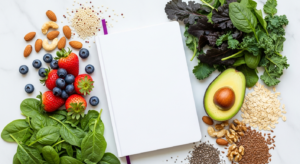
Harvard Health's guide to foods that fight inflammation points to a recognizable set of foods: olive oil, green leafy vegetables such as spinach, kale and collards, nuts such as almonds and walnuts, fatty fish such as salmon, mackerel, tuna and sardines, tomatoes, and fruit such as strawberries, blueberries, cherries and oranges. It also lists foods to limit: refined carbohydrates like white bread and pastries, fried foods, sugar-sweetened drinks, red and processed meat, and margarine, shortening and lard.
Meal prep makes that list practical. You are not cooking recipes for seven separate dinners. You are cooking components, then recombining them.
The five-part prep formula
Every prep session needs five things:
- A whole-grain or starchy base: brown rice, quinoa, oats, or sweet potatoes.
- A protein: baked salmon or other fatty fish, chicken, eggs, lentils, chickpeas or tofu.
- Roasted or steamed vegetables: two or three kinds, with leafy greens kept fresh to add at the end.
- A sauce or dressing: olive oil, lemon, garlic and herbs, or a tahini-based dressing.
- Crunch and extras: nuts, seeds, sliced fruit for breakfast or dessert.
A sample Sunday session
You can adjust every item here to your tastes and budget. This is one example of how the formula looks in practice.
Grains and base - Cook a large pot of quinoa. If you cook brown rice, cook only what you will eat the next day and freeze the rest as soon as it has cooled (see the storage rules below). - Bake sweet potatoes whole, or cube and roast them. - Make overnight oats in jars: oats, milk or plant milk, chia seeds, and berries on top.
Protein - Bake a tray of salmon fillets or another fatty fish. The American Heart Association recommends about two servings of non-fried fish a week, with a serving of roughly 3.5 ounces. - Cook a pot of lentils or drain a few cans of chickpeas for plant-based meals. - Hard-boil a half dozen eggs for breakfasts and snacks.
Vegetables - Roast broccoli, bell peppers and onions with olive oil and salt on one sheet pan. - Wash and dry spinach or kale and store it in a container lined with a paper towel. - Chop raw carrots and cucumbers for snacking.
Sauces and extras - Whisk a jar of dressing: olive oil, lemon juice, a little mustard, garlic, salt and pepper. - Portion almonds and walnuts into small containers.
Turning components into meals
With the above on hand, the week looks like this:
- Breakfast: overnight oats with berries and walnuts, or eggs with roasted sweet potato and spinach.
- Lunch bowls: a scoop of grains, a scoop of lentils or chickpeas, roasted vegetables, a handful of fresh greens and the dressing.
- Dinner: salmon over quinoa with roasted broccoli, or a warm bowl of lentils, sweet potato and kale.
- Snacks: carrots and hummus, an egg with tomatoes, or a handful of nuts.
Change the sauces and spices to keep it from feeling repetitive. A grain bowl with lemon and herbs tastes different from the same bowl with a tahini drizzle or a spoon of tomato salsa.
Keep it varied and keep it flexible
One common meal prep mistake is cooking identical meals for five days. By Thursday most people are bored. Prepping components instead of finished meals solves this, because you can reassemble the same ingredients as a soup, a salad, a wrap or a bowl.
If cooking everything on one day feels like too much, split it: cook grains and proteins on Sunday and roast vegetables midweek. Some people prefer to prep only lunches and keep dinners fresh. The right plan is the one you will repeat.
Storage and food safety
Prepping ahead only works if the food is safe to eat on day four. The USDA's guidance on leftovers is a good baseline:
- Refrigerate cooked food within two hours of cooking (one hour if the room is above 90°F).
- Divide large amounts into shallow containers so they cool quickly.
- Eat refrigerated leftovers within three to four days, or freeze them.
- Reheat leftovers to 165°F, and bring sauces and soups to a rolling boil.
Rice needs extra care. The UK Food Standards Agency advises chilling leftover rice as quickly as possible, ideally within one hour, keeping it in the fridge for no more than one day, reheating it until it is steaming hot all the way through, and never reheating it more than once. If you want rice later in the week, the same guidance says it can be frozen within an hour of cooking; defrost it in the fridge and reheat it until steaming hot.
Fish is best eaten early in the week, and anything you will not eat within three to four days should go into the freezer on day one, not day three. Keep greens and dressings separate until you eat so they do not turn soggy.
A realistic shopping list
For one person, a week of the plan above needs roughly:
- Whole grains: brown rice or quinoa, rolled oats
- Protein: salmon or other fatty fish, eggs, dried or canned lentils and chickpeas
- Vegetables: sweet potatoes, broccoli, bell peppers, onions, carrots, cucumbers, spinach or kale, tomatoes
- Fruit: berries, oranges, apples
- Pantry: olive oil, lemons, garlic, mustard, tahini, chia seeds, almonds, walnuts, herbs and spices
Frozen vegetables and berries are a convenient option that can help cut cost and waste.
The bottom line
Anti-inflammatory meal prep is not about perfection. It is about having whole-food building blocks ready so the easy choice is also a balanced one. Cook a base, a protein, some vegetables and a sauce, store them safely, and mix them differently each day. After a couple of weekends the routine takes less time than you expect.
Sources
- Harvard Health Publishing, "Foods that fight inflammation": https://www.health.harvard.edu/staying-healthy/foods-that-fight-inflammation
- USDA Food Safety and Inspection Service, "Leftovers and Food Safety": https://www.fsis.usda.gov/food-safety/safe-food-handling-and-preparation/food-safety-basics/leftovers-and-food-safety
- UK Food Standards Agency, "Home food fact checker" (rice storage and reheating): https://www.food.gov.uk/safety-hygiene/home-food-fact-checker
- American Heart Association, "Eating fish twice a week reduces heart, stroke risk" (on its 2018 science advisory in Circulation): https://www.heart.org/en/news/2018/05/25/eating-fish-twice-a-week-reduces-heart-stroke-risk