
Snacks are where a lot of good eating plans quietly fall apart. Lunch was balanced, dinner is planned, and then three o'clock arrives and the closest option is a vending machine bar or a handful of crackers. If you are trying to eat in a way that supports your body rather than works against it, a few reliable anti-inflammatory snacks make that afternoon gap much easier to handle.
This guide lists fifteen snack ideas built from whole foods, explains why they fit an anti-inflammatory pattern, and shows how to combine them so they keep you full. It is general food information, not medical advice. If you have a condition, an allergy or take medication, check with your own doctor or a registered dietitian before changing how you eat.
What "anti-inflammatory" really means for a snack
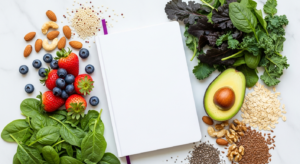
No single food switches inflammation off. What research on eating patterns points to is the overall mix of foods you eat most days. Harvard Health's overview of foods that fight inflammation names the foods that may help: olive oil, green leafy vegetables such as spinach, kale and collards, nuts like almonds and walnuts, fatty fish like salmon, mackerel, tuna and sardines, and fruits such as strawberries, blueberries, cherries and oranges. Tomatoes are on the list too.
The same source lists what tends to work in the opposite direction: refined carbohydrates such as white bread and pastries, fried foods, soda and other sugar-sweetened drinks, red and processed meat, and margarine, shortening and lard.
That gives us a practical test for a snack. Does it lean on whole plant foods, nuts, seeds, olive oil or fish? Does it avoid refined flour, added sugar and frying? If so, it fits.
Fifteen anti-inflammatory snacks to keep on rotation
Fruit-based
- Blueberries or strawberries with plain yogurt. Berries are on Harvard's list, and the yogurt adds protein so the snack lasts longer than fruit alone. Choose plain yogurt and sweeten it with the fruit instead of added sugar.
- Cherries and a small handful of almonds. Sweet from the fruit, crunchy and satisfying from the nuts.
- Orange segments with walnuts. Easy to pack, and the walnuts turn a light snack into something filling.
- Apple slices with almond butter. Check the label: the ingredients should be nuts, and perhaps salt, rather than a long list of added oils and sugar.
Nut and seed-based
- A small handful of mixed nuts. Almonds and walnuts both appear in Harvard's list. Measure a portion into a container so a bag does not disappear in one sitting.
- Chia pudding. Stir chia seeds into milk or a plant milk and leave them in the fridge for a few hours. The NIH Office of Dietary Supplements lists nuts and seeds such as flaxseed, chia seeds and walnuts among foods that provide omega-3 fats.
- Homemade trail mix. Combine unsalted nuts, pumpkin seeds and a few dried cherries or raisins. Buying the pieces separately lets you control the sugar that many packaged mixes add.
- Seed crackers with avocado. Mash half an avocado with lemon juice and salt and spread it on a seed-based cracker.
Vegetable-based
- Hummus with raw vegetables. Carrots, cucumber, bell pepper and snap peas all work. Hummus is made from chickpeas, tahini and usually olive oil; check that the label does not list a long string of additives.
- Tomato slices with olive oil and basil. Tomatoes are on Harvard's list, and a drizzle of olive oil rounds it out.
- Roasted chickpeas. Drain and dry canned chickpeas, toss them with olive oil and spices, and roast until crisp. They are a good swap for chips when you want crunch.
- Spinach or kale chips. Tear leaves, toss lightly in olive oil and salt, and bake until crisp.
Savory and protein-forward
- Sardines or tuna on a whole-grain cracker. Fatty fish such as sardines, mackerel and tuna are on Harvard's list. Tinned fish is shelf-stable, which makes it one of the easiest office snacks.
- A hard-boiled egg with cherry tomatoes. Cook a batch at the start of the week.
- Edamame with sea salt. Steam from frozen in a few minutes for a warm snack with plenty of protein.
How to build a snack that lasts
Snacks that disappear in twenty minutes usually lack one of three things. A simple formula fixes that:
- A whole-food carbohydrate: fruit, vegetables or a whole-grain cracker.
- Some protein or fat: nuts, seeds, yogurt, hummus, egg or fish.
- A little volume or crunch: raw vegetables, roasted chickpeas, a crisp apple.
Apple with almond butter, hummus with carrots, and berries with yogurt all follow this pattern. A piece of fruit on its own is fine, but pairing it with something that contains protein or fat tends to make it feel like a real mini-meal.
What to leave out of the snack drawer
Using the same Harvard guidance, the items that most often sneak into snack time are pastries and white-flour baked goods, fried snack foods, sugar-sweetened drinks, and processed meats such as hot dogs and sausage. You do not need to ban anything forever. The goal is that most of what you reach for between meals is closer to the list above than to this one.
Read labels on products that sound healthy. Granola bars, flavored yogurts and "protein" snacks can contain a lot of added sugar and refined oils. Ingredient lists that are short and recognizable are usually a good sign.
Planning snacks for the week
A little preparation does the heavy lifting:
- Sunday: hard-boil eggs, wash and cut vegetables, roast a tray of chickpeas, and mix a jar of trail mix.
- Pack in portions: small containers of nuts and hummus prevent mindless eating and make grabbing a snack as easy as opening a bag.
- Keep shelf-stable backups: tinned fish, nut butter, seed crackers and unsalted nuts mean you are covered even when the fridge is empty.
- Write the plan on the fridge: deciding in advance which two or three snacks you will rotate removes the afternoon guesswork.
A note on nuts, allergies and portions
Nuts and seeds are calorie-dense, which is part of why they are filling, so a small handful is enough. If anyone in your home has a nut allergy, swap in seeds such as pumpkin or sunflower, and check labels for cross-contamination warnings. If you take medication or manage a health condition, ask your clinician whether any of these foods need special attention.
The bottom line
Anti-inflammatory snacking does not require special products. It means choosing berries, nuts, seeds, vegetables, olive oil, legumes and fish more often, and refined, fried and sugary foods less often. Start with two or three ideas from the list above, make them easy to reach, and build from there.
Sources
- Harvard Health Publishing, "Foods that fight inflammation": https://www.health.harvard.edu/staying-healthy/foods-that-fight-inflammation
- NIH Office of Dietary Supplements, "Omega-3 Fatty Acids: Fact Sheet for Consumers": https://ods.od.nih.gov/factsheets/Omega3FattyAcids-Consumer/