Understanding Menopause: The Journey and Its Symptoms
Before we delve into the specifics of tracking, it’s essential to grasp the landscape of menopause itself. This isn’t a single event but a journey, typically unfolding in three distinct stages: perimenopause, menopause, and postmenopause. Perimenopause, often beginning in a woman’s 40s (though sometimes earlier), is the transitional phase leading up to menopause, characterized by fluctuating hormone levels, primarily estrogen. During this time, you might notice irregular periods, hot flashes, night sweats, mood swings, sleep disturbances, and changes in your libido. It’s a period of significant hormonal flux, making symptoms particularly unpredictable.
Menopause is officially diagnosed when you’ve gone 12 consecutive months without a menstrual period. This marks the permanent cessation of menstruation and fertility. The average age for menopause is 51, but it can vary widely. While periods stop, many of the symptoms experienced during perimenopause can continue, and new ones may emerge or intensify. These can include vaginal dryness, urinary issues, brain fog, joint pain, hair thinning, and skin changes.
Postmenopause encompasses all the years following menopause. While some acute symptoms like hot flashes may diminish over time, women in this phase face long-term health considerations related to lower estrogen levels, such as increased risk of osteoporosis and cardiovascular disease. Understanding these stages is the first step towards managing them effectively. The sheer variety and intensity of symptoms, coupled with their often sporadic nature, can make it incredibly difficult to connect the dots between how you feel and what might be causing it. This is precisely where the power of a menopause tracker truly shines, offering a systematic way to observe and record your personal experience, transforming anecdotal feelings into actionable data.
Many women report feeling isolated and confused during this time, often dismissing their symptoms as “just getting older” or feeling dismissed by healthcare providers who may not fully grasp the extent of their discomfort. This lack of validation can exacerbate emotional distress. Recognizing that your experience is a legitimate biological process, even if it feels chaotic, is crucial for your mental well-being. A menopause tracker serves as a powerful validation tool, helping you to see patterns and understand that your symptoms are real and connected to the profound hormonal shifts occurring within your body. By understanding the typical symptoms and the progression of menopause, you’re better equipped to identify your own unique manifestations and, subsequently, to track them effectively for better management.
What Exactly is a Menopause Tracker?
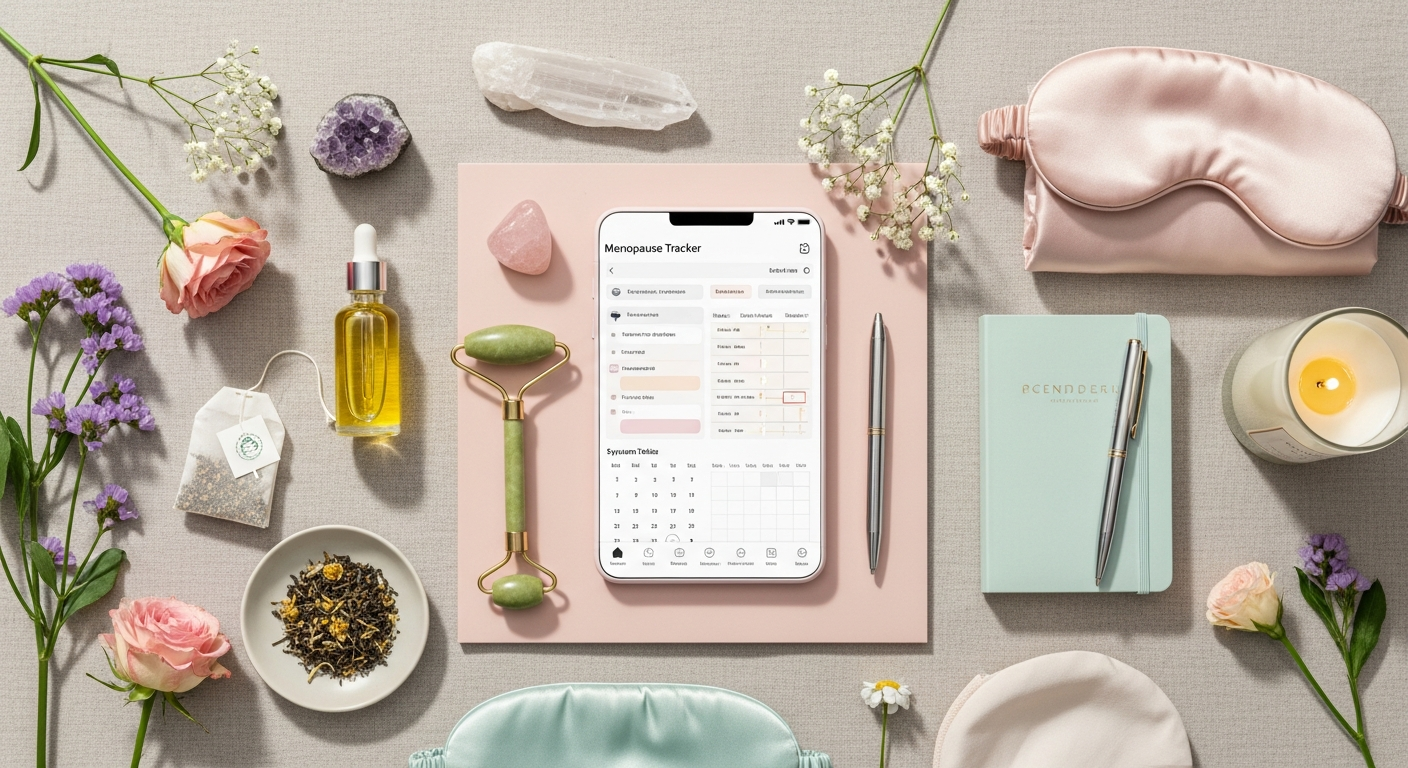
At its core, a menopause tracker is a tool designed to help women systematically record and monitor their symptoms, experiences, and lifestyle factors throughout their perimenopausal, menopausal, and postmenopausal journey. Think of it as your personal health diary, but with a structured approach that allows for deeper insights and pattern recognition. While traditionally this might have been a physical journal or notebook, today’s menopause trackers are predominantly digital, taking the form of dedicated smartphone applications, online platforms, or even features integrated into broader health and wellness apps.
The functionality of a menopause tracker varies, but most offer a range of features aimed at capturing a comprehensive picture of your health. You can typically log a wide array of symptoms, from the well-known hot flashes and night sweats to more subtle indicators like changes in sleep quality, mood fluctuations, brain fog, joint aches, headaches, and even specific skin changes. Beyond symptoms, many trackers allow you to record other vital information:
- Period tracking: For those in perimenopause, noting the regularity, flow, and duration of menstrual cycles is crucial for understanding hormonal shifts.
- Mood logging: Detailed tracking of emotional states, including anxiety, irritability, sadness, or feelings of well-being.
- Sleep patterns: Recording hours slept, disturbances, and overall sleep quality.
- Dietary intake: Noting specific foods or drinks that might trigger symptoms.
- Exercise levels: Documenting physical activity and its impact on symptoms.
- Medication and supplement use: Tracking what you’re taking and its perceived effect.
- Hydration: Monitoring water intake, which can impact various symptoms.
- Stress levels: Subjective ratings of daily stress.
- Libido and intimacy: Recording changes in sexual desire and comfort.
The beauty of a digital menopause tracker lies in its ability to not just collect data but to analyze it. Many apps offer visually appealing charts, graphs, and reports that can highlight trends, identify triggers, and show the intensity and frequency of symptoms over time. This transforms raw data into meaningful insights, making it easier to understand your unique patterns and discuss them with healthcare professionals. Some advanced trackers even incorporate predictive analytics, offering personalized insights based on your logged data and the collective experiences of other users, though it’s important to remember these are insights, not diagnoses.
Ultimately, a menopause tracker is designed to be an empowering tool. It demystifies a often confusing life stage, providing a tangible record of your experiences. It moves beyond anecdotal feelings, offering concrete data that can validate your symptoms, inform your self-care strategies, and facilitate more productive conversations with your doctor. By making the invisible visible, a menopause tracker helps you reclaim a sense of control and become an active participant in managing your health during menopause.
The Multifaceted Benefits: How a Menopause Tracker Empowers You
- Enhanced Self-Awareness and Pattern Recognition: One of the most significant benefits is the ability to identify personal patterns and triggers. Are your hot flashes worse after certain foods or stress? Does a lack of sleep amplify your mood swings? By consistently logging symptoms alongside lifestyle factors, you can begin to see correlations that might otherwise remain hidden. This self-awareness is invaluable for understanding your unique menopause journey and anticipating challenges. You’ll move from feeling mystified by your body’s changes to becoming an expert on your own experience.
- Informed Conversations with Healthcare Providers: Imagine walking into your doctor’s office with a clear, data-driven report of your symptoms over weeks or months, rather than relying on vague recollections. A menopause tracker provides objective data on the frequency, intensity, and duration of symptoms, as well as their potential triggers. This detailed record enables more productive and efficient consultations, helping your doctor accurately assess your situation, rule out other conditions, and recommend the most appropriate and personalized treatment options, whether it’s hormone therapy, lifestyle adjustments, or other interventions.
- Personalized Coping Strategies and Lifestyle Adjustments: Once you start recognizing patterns, you can proactively develop and test personalized coping strategies. If your tracker shows that evening caffeine intake exacerbates night sweats, you can adjust your diet. If stress consistently triggers brain fog, you can prioritize mindfulness or relaxation techniques. The tracker becomes a feedback loop, showing you what works and what doesn’t, allowing you to fine-tune your approach to symptom management. This iterative process leads to more effective and sustainable relief.
- Reduced Anxiety and Emotional Well-being: The unpredictability of menopause can be a major source of anxiety and frustration. A tracker helps demystify the process, giving you a sense of control and understanding. When you can see that your symptoms, however uncomfortable, fit into a recognizable pattern, it reduces the feeling of being overwhelmed or that something is seriously wrong. This validation and sense of agency can significantly improve your emotional well-being and reduce stress levels.
- Validation of Your Experience: Many women feel their menopause symptoms are dismissed or trivialized. A tracker provides concrete evidence of what you’re experiencing, validating your feelings and reinforcing that your symptoms are real and deserve attention. This validation can be incredibly empowering, giving you the confidence to advocate for your needs and seek appropriate support.
- Long-term Health Insights: Beyond immediate symptom management, a menopause tracker can offer valuable long-term insights into your health. Tracking changes over months and years can help you understand the progression of your menopause journey and anticipate future health needs. This historical data can be crucial for monitoring the effectiveness of long-term treatments or lifestyle changes and making adjustments as needed for sustained well-being. For example, consistent tracking of joint pain might prompt a discussion with your doctor about bone density screening.
In essence, a menopause tracker transforms a potentially disorienting phase of life into an opportunity for self-discovery and proactive health management. It’s an indispensable tool for any woman seeking to navigate menopause with clarity, resilience, and a profound sense of empowerment.
Choosing the Right Menopause Tracker for Your Needs
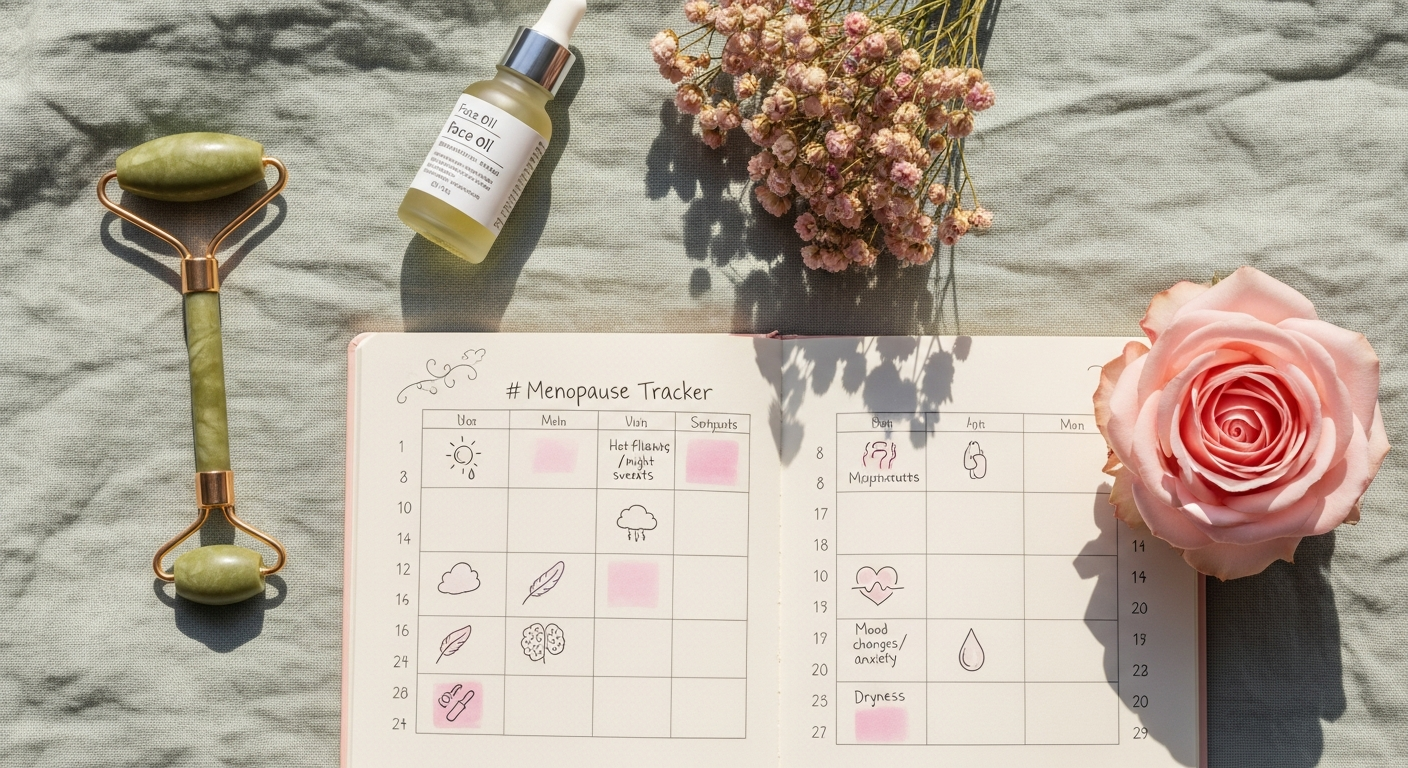
With a growing number of options available, selecting the ideal menopause tracker can feel a bit daunting. The “right” tracker for you will depend on your individual preferences, your specific symptoms, and how you prefer to interact with technology. Here’s a comprehensive guide to help you make an informed choice:
1. Assess Your Specific Needs:
- What are your primary concerns? Are you mainly tracking hot flashes and sleep? Or are you also interested in mood, diet, exercise, and period regularity? Some trackers are more comprehensive than others.
- How tech-savvy are you? Do you prefer a simple, minimalist interface or one with advanced analytics and integrations?
- What is your budget? Many apps offer free basic versions with premium features available through subscription.
2. Key Features to Look For:
- User-Friendliness: The interface should be intuitive and easy to navigate. If it’s too complicated, you’re less likely to use it consistently. Look for clear icons, simple data entry, and easy-to-read reports.
- Customization Options: Menopause is highly personal. Can you customize symptom lists, add your own notes, or track unique triggers? The more tailored it is to your experience, the more useful it will be.
- Comprehensive Symptom Categories: Ensure the tracker covers a wide range of common menopause symptoms, not just the most obvious ones. This includes physical, emotional, and cognitive symptoms.
- Data Visualization and Reporting: Look for apps that provide clear charts, graphs, and summaries of your data. The ability to generate reports to share with your doctor is a significant advantage.
- Data Privacy and Security: Your health data is personal. Choose a tracker that clearly outlines its privacy policy and how your data is protected and used. This is paramount for peace of mind.
- Integrations: Does it integrate with other health apps or wearable devices (like a Fitbit or Apple Watch) that you already use? This can create a more holistic view of your health data.
- Educational Content: Some trackers offer in-app articles, tips, and resources about menopause, which can be incredibly helpful for learning and understanding.
3. Types of Trackers:
- Dedicated Menopause Apps: These are specifically designed for menopause tracking and often offer the most comprehensive features related to this life stage. Examples include Balance, Ava, or MyMeno.
- General Health/Period Trackers with Menopause Features: Some popular period tracking apps have expanded to include menopause tracking. If you already use one you like, check if it has this functionality. This can be convenient for continuity.
- Simple Journaling Apps or Physical Journals: For those who prefer a low-tech approach, a good old-fashioned notebook or a simple digital note-taking app can be just as effective if you’re diligent about structuring your entries. You just won’t get the automated data analysis.
4. Tips for Selection:
- Read Reviews: Check app store reviews and testimonials from other users. Look for feedback on ease of use, accuracy, and customer support.
- Try Before You Buy: Many apps offer a free trial period or a basic free version. Download a few contenders and experiment to see which interface resonates most with you.
- Consider Your Lifestyle: If you’re always on the go, a smartphone app that allows quick logging might be best. If you prefer a more contemplative approach, a journal might suit you better.
By carefully considering these factors, you can select a menopause tracker that seamlessly integrates into your daily life and truly serves as an empowering companion on your unique menopause journey. Remember, the best tracker is the one you will use consistently and that provides you with the insights you need to feel more in control.
Maximizing Your Tracker’s Potential: Beyond Just Logging
Having chosen your ideal menopause tracker, the next step is to truly unlock its full potential. A tracker is more than just a digital diary; it’s a powerful analytical tool that, when used strategically, can revolutionize your approach to menopause management. Maximizing its benefits requires a proactive and thoughtful engagement, going beyond mere data entry.
Consistency is Key: The most fundamental principle for maximizing your tracker’s potential is consistent logging. Sporadic entries will yield fragmented data, making it difficult to identify reliable patterns. Aim to log your symptoms, mood, and relevant lifestyle factors daily, or as frequently as recommended by the app or your own observations. Even on days when you feel “fine,” noting that can be just as informative as logging a severe hot flash.
Correlate Data for Deeper Insights: Don’t just log symptoms in isolation. Actively look for connections between different data points. For example, if your tracker shows an increase in anxiety, cross-reference it with your sleep log. Did you have a restless night? Or perhaps you consumed more caffeine than usual? Are your joint pains more pronounced on days you skipped your yoga? This correlation is where the magic happens, revealing potential triggers and effective countermeasures. Many apps offer built-in analytical tools that do this for you, but a critical eye on your part enhances the discovery process.
Use It as a Reflection Tool: Take time periodically – perhaps once a week or month – to review your data. Look at the trends over time. Are certain symptoms becoming more frequent or less intense? Are your coping strategies making a difference? This reflective practice allows you to evaluate your progress and adjust your self-care routine. It’s an opportunity for self-coaching and self-compassion, understanding that your body is undergoing significant changes.
Share Insights with Your Healthcare Team: As mentioned, your tracker is an invaluable asset for doctor’s appointments. Instead of simply stating “I’ve been having bad hot flashes,” you can present a report showing their exact frequency, intensity, and timing over the past month. This objective data helps your doctor make more precise diagnoses and tailor treatment plans. It transforms a subjective conversation into an evidence-based discussion, leading to better outcomes for your health.
Integrate with Other Wellness Practices: Your menopause tracker shouldn’t operate in a vacuum. It should inform and be informed by your broader wellness routine. For instance, if your tracker consistently highlights sleep disturbances, you might find solace and practical solutions in our Veralyn Media article, “3 tips to help you fall asleep in your new home.” Perhaps your tracker shows that a new environment is impacting your sleep more than usual, identifying specific nights when sleep quality dips. You can then try implementing strategies like establishing a consistent bedtime routine, optimizing your bedroom for darkness and coolness, or practicing mindfulness before bed. The tracker provides the data; external wellness resources offer the solutions.
Similarly, if your tracker indicates changes in skin sensitivity, dryness, or breakouts, correlating these with hormonal fluctuations can guide your self-care. This is where insights from our guide on “How to do a facial at home” become particularly relevant. You might notice that certain hormonal peaks coincide with skin flare-ups. Armed with this knowledge from your tracker, you can then strategically plan a calming, hydrating facial to soothe your skin and provide a much-needed self-care ritual, addressing the symptom directly while nurturing your overall well-being. The tracker helps you understand when and why these self-care practices are most needed, making them more effective and purposeful.
By actively engaging with your menopause tracker in these ways, you transform it from a passive logging tool into an active partner in your health journey, providing clarity, guiding your choices, and empowering you to navigate menopause with confidence and control.
Integrating Menopause Tracking into a Holistic Wellness Routine
Menopause is not just a collection of symptoms; it’s a significant life transition that impacts every aspect of a woman’s being – physical, emotional, and mental. Therefore, integrating menopause tracking into a holistic wellness routine is paramount for comprehensive well-being. The tracker serves as the data hub, providing insights that can inform and optimize your broader lifestyle choices, creating a synergistic approach to managing this phase of life.
Nutrition as a Pillar: Your tracker can reveal powerful connections between what you eat and how you feel. For instance, you might notice that sugary foods exacerbate hot flashes or that certain dairy products contribute to bloating and digestive discomfort. By logging your diet alongside your symptoms, you can identify trigger foods and make informed nutritional adjustments. This might involve increasing your intake of phytoestrogen-rich foods, ensuring adequate calcium and Vitamin D for bone health (especially important post-menopause), or incorporating more anti-inflammatory foods. The data from your tracker helps you personalize your diet for maximum benefit, moving beyond general advice to what truly works for your body.
Movement for Mind and Body: Regular physical activity is a cornerstone of menopause management, helping with mood regulation, bone density, weight management, and sleep quality. Your tracker can help you observe the impact of different types of exercise on your symptoms. Does high-intensity interval training (HIIT) make your hot flashes worse? Does a gentle yoga practice improve your sleep? By tracking your activity alongside your symptoms, you can fine-tune your exercise regimen to support your well-being without exacerbating discomfort. This data-driven approach ensures your fitness routine is truly beneficial and sustainable.
Stress Management and Mental Resilience: Menopause can be a period of heightened stress due to hormonal fluctuations and the accumulation of life’s demands. Your tracker can often highlight stress as a significant trigger for various symptoms, from mood swings to brain fog. This insight can prompt you to prioritize stress-reducing practices like meditation, deep breathing exercises, spending time in nature, or engaging in hobbies. By logging your stress levels and the efficacy of your coping mechanisms, you can build a more resilient mental framework, turning stress triggers into opportunities for mindful self-care. This might even inspire a deeper dive into understanding the psychology of well-being, perhaps by exploring careers in health and beauty, specifically in areas like stress reduction coaching or mindfulness instruction, leveraging personal experience for professional growth.
Sleep Hygiene: Sleep disturbances are incredibly common during menopause. As discussed, your tracker is excellent at identifying sleep patterns and their correlation with other symptoms like night sweats or anxiety. Using these insights, you can implement robust sleep hygiene practices, such as creating a consistent sleep schedule, ensuring your bedroom is cool and dark, and avoiding screens before bed. The data from your tracker provides the feedback loop, showing you which adjustments are most effective in improving your sleep quality, directly linking to advice like “3 tips to help you fall asleep in your new home.”
Embracing Self-Care Rituals: Beyond tracking, menopause is a powerful invitation to embrace self-care as a non-negotiable part of your routine. If your tracker frequently indicates skin dryness or sensitivity, it’s a clear signal to invest in targeted skincare. This can be beautifully complemented by practices like “How to do a facial at home.” A regular, personalized facial routine, informed by your tracker’s data on skin changes, not only addresses physical symptoms but also provides a calming, nurturing ritual that supports emotional well-being. It’s a tangible way to listen to your body and respond with kindness.
Inspiring New Paths: For many women, navigating menopause becomes a catalyst for re-evaluating priorities and even career paths. The deep self-awareness gained through consistent menopause tracking can spark an interest in helping other women on their wellness journeys. This could naturally lead to “Exploring careers in health and beauty,” such as becoming a certified health coach specializing in women’s hormonal health, an esthetician focused on mature skin, or a wellness consultant. Your personal experience, validated and understood through your tracker’s data, can transform into a powerful professional mission, allowing you to turn your challenges into a source of wisdom and support for others.
By weaving your menopause tracker into this broader tapestry of holistic wellness, you create a powerful, data-informed system that supports you comprehensively. It moves beyond simply reacting to symptoms, enabling you to proactively cultivate a lifestyle that promotes vitality, balance, and empowerment throughout and beyond your menopause journey.
The Future of Menopause Management: Data-Driven Empowerment
As we look towards 2026 and beyond, the landscape of menopause management is rapidly evolving, with technology playing an increasingly pivotal role. The humble menopause tracker, already a powerful tool, is poised to become even more sophisticated, offering unparalleled data-driven insights and personalized support. This future promises a new era of empowerment for women navigating this significant life transition.
Advanced Analytics and Predictive Modeling: Future menopause trackers will likely leverage more advanced artificial intelligence (AI) and machine learning algorithms. This means not only identifying current patterns but also predicting potential symptom flare-ups based on historical data, environmental factors, and even genetic predispositions. Imagine receiving a notification that, based on your sleep patterns and stress levels over the past few days, you might be more susceptible to hot flashes tomorrow, prompting you to take proactive measures. This predictive capability will move women from reactive symptom management to proactive prevention.
Seamless Integration with Wearable Technology: The synergy between menopause trackers and wearable devices will become even more seamless. Smart rings, watches, and patches will monitor physiological markers like core body temperature, heart rate variability, sleep stages, and even hydration levels with greater precision. This continuous, passive data collection will reduce the burden of manual logging, providing a richer, more accurate picture of a woman’s body in real-time. Imagine a tracker that automatically logs night sweats based on changes in your skin temperature and sleep disturbances, then correlates this with your daily mood entry.
Personalized Interventions and Digital Therapeutics: With increasingly granular data, trackers will be able to offer hyper-personalized recommendations for managing symptoms. This could range from specific dietary advice tailored to your unique metabolic response, to guided mindfulness exercises triggered by detected stress spikes, or even personalized exercise routines optimized for your energy levels. We may see the rise of “digital therapeutics” – clinically validated software programs delivered via trackers that provide evidence-based interventions for specific menopause symptoms, much like a prescription for an app.
Telehealth and Remote Care Enhancement: Menopause trackers will become indispensable tools for telehealth. Doctors will have access to real-time, comprehensive data reports, allowing for more informed virtual consultations and continuous monitoring of treatment efficacy. This will be particularly beneficial for women in rural areas or those with limited access to specialist care, democratizing access to expert menopause management. The data will facilitate a more collaborative relationship between women and their healthcare providers.
Community and Peer Support: While personal data remains private, future trackers may offer enhanced, opt-in community features. These could include anonymous aggregated data insights, allowing women to see how their experiences compare to others, or moderated forums for peer support and shared coping strategies. This fosters a sense of collective understanding and reduces the isolation often felt during menopause, all while maintaining individual data privacy.
Biometric Feedback for Self-Regulation: Imagine a tracker providing real-time biometric feedback during a hot flash, guiding you through breathing exercises to help regulate your body temperature or calm your nervous system. This direct feedback loop empowers women to actively engage in self-regulation techniques, giving them immediate tools to mitigate symptom intensity. The future of menopause management is one where technology empowers women to be the orchestrators of their own well-being, transforming a challenging transition into a journey of profound self-discovery and health optimization. By embracing these advancements, women in 2026 and beyond will navigate menopause not just with resilience, but with unprecedented clarity and control.
Frequently Asked Questions About Menopause Trackers
Q1: Is a menopause tracker only for perimenopause, or can it help throughout the entire journey?
A1: A menopause tracker is beneficial at all stages of the menopause journey. During perimenopause, it helps monitor irregular periods and fluctuating symptoms. In menopause, it tracks ongoing symptoms and their intensity. For postmenopause, it can still be valuable for monitoring long-term health changes, the effectiveness of ongoing treatments, and identifying any new symptoms that may arise due to lower estrogen levels. It provides a continuous record of your health over many years.
Q2: How often should I log my symptoms for the tracker to be effective?
A2: For the most accurate insights and pattern recognition, it’s recommended to log your symptoms daily. Even if you feel “normal” or have no significant symptoms on a particular day, noting that is important. Consistency allows the tracker to identify trends, triggers, and the effectiveness of any coping strategies or treatments you’re employing. Most apps are designed for quick, easy daily logging to make this manageable.
Q3: Can a menopause tracker replace regular doctor’s visits or medical advice?
A3: Absolutely not. A menopause tracker is a powerful tool for self-awareness and data collection, but it is not a diagnostic device and cannot replace professional medical advice, diagnosis, or treatment. It’s meant to be a companion tool that enhances your conversations with your healthcare provider, enabling more informed discussions and personalized care. Always consult with your doctor for any health concerns or before making any significant changes to your treatment plan.
Q4: Are there reliable free menopause tracking apps available, or do I need to pay for one?
A4: Yes, there are several reliable free menopause tracking apps available that offer basic but effective symptom logging and reporting features. Many popular women’s health apps have also integrated free menopause tracking functionalities. However, some premium apps or paid versions offer more advanced analytics, customized insights, educational content, and integration with other health devices. It’s advisable to try out a few free options to see which interface and features best suit your needs before considering a paid subscription.
Q5: What if my symptoms seem unrelated to menopause, even after tracking them?
A5: If your tracker helps you identify symptoms that don’t seem to fit the typical menopause profile, or if they are particularly severe or persistent, it’s crucial to discuss this with your doctor. While a menopause tracker helps identify patterns, it’s not a diagnostic tool. Some symptoms can overlap with other health conditions, and your doctor can perform the necessary tests and evaluations to rule out other causes and ensure you receive the correct diagnosis and treatment.
Q6: How can a tracker specifically help with managing mood swings during menopause?
A6: A menopause tracker can be incredibly helpful for managing mood swings by enabling you to identify specific triggers and patterns. By consistently logging your mood alongside other factors like sleep quality, stress levels, dietary choices, and the time of day, you might discover correlations. For example, your tracker might show that lack of sleep or high-stress days consistently precede periods of irritability or anxiety. This insight allows you to proactively implement stress-reduction techniques, prioritize
Recommended Resources
Learn more about this topic in How To Balance Work And Life Without Burning Out at Sometimes Daily.
Related reading: How To Practice Self Care When You Feel Depressed (The Contextual Life).