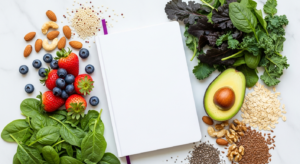

Walking into a supermarket with a new diagnosis, or a suspicion of one, can feel overwhelming. Polycystic ovary syndrome (PCOS) comes with a long list of "do this, avoid that" advice online, and a lot of it contradicts itself. This guide keeps things practical. It gives you a grocery list organized by store section, built around whole foods, with simple swaps and honest limits on what food can and cannot do.
It is general information, not medical advice. PCOS looks different from person to person, so use this as a starting point and talk to your doctor or a registered dietitian about your own needs.
What the evidence says about eating with PCOS
The World Health Organization's fact sheet estimates that PCOS affects 10 to 13 percent of women of reproductive age worldwide, and that up to 70 percent of affected women are undiagnosed. That means many readers of a page like this are working things out for themselves.
On food, the WHO's message is deliberately modest: healthy eating and physical activity are important for all women with PCOS, even if they do not lead to weight loss. In other words, a grocery list is not a cure and not a punishment. It is one tool among several, alongside the medical care you and your clinician decide on.
Be wary of any page that promises one miracle food or a single "PCOS diet" that works for everyone. A balanced, mostly whole-food pattern that you enjoy and can keep up is a more realistic goal than a strict plan you abandon in two weeks.
How to read this list
The list below favors:
- Fiber-rich foods: vegetables, fruit, beans, lentils, oats and other whole grains.
- Protein at most meals: eggs, fish, poultry, tofu, legumes, yogurt.
- Unsaturated fats: olive oil, avocado, nuts and seeds, fatty fish.
- Fewer ultra-processed and sugary items: sweet drinks, pastries and packaged snacks.
Nothing here is forbidden. If you love a particular food, the question is how often and in what company, not whether you are allowed.
Produce
- Leafy greens: spinach, kale, arugula
- Cruciferous vegetables: broccoli, cauliflower, cabbage
- Color: bell peppers, tomatoes, carrots, zucchini, sweet potatoes
- Alliums and aromatics: onions, garlic, ginger
- Berries: fresh or frozen strawberries and blueberries
- Everyday fruit: apples, pears, oranges
- Avocados
Frozen vegetables and fruit are a convenient option that keeps longer, which can help with both budget and food waste.
Protein
- Eggs
- Fish: salmon, sardines, canned tuna
- Poultry: chicken or turkey
- Plant proteins: tofu, tempeh, edamame
- Plain yogurt or skyr, if you eat dairy
Beans, lentils and whole grains
- Canned or dried chickpeas, black beans, kidney beans and lentils (rinse canned beans to reduce sodium)
- Rolled or steel-cut oats
- Brown rice, quinoa, barley
- Whole-grain bread or wraps, and whole-wheat pasta
- Popcorn kernels for a whole-grain snack
Healthy fats
- Extra virgin olive oil
- Nuts: almonds, walnuts, pistachios
- Seeds: chia, flax, pumpkin, sunflower
- Natural nut butter with a short ingredient list
Pantry basics and flavor
- Canned tomatoes and tomato passata
- Low-sodium broth
- Vinegars, mustard and lemons
- Herbs and spices: cinnamon, cumin, paprika, turmeric, oregano
- Unsweetened plant milk, if you do not use dairy
Drinks
- Water and sparkling water
- Unsweetened tea and coffee
- Limit sugar-sweetened beverages, which add sugar without much else
Simple swaps
| Instead of | Try |
|---|---|
| White bread | Whole-grain bread or sourdough made with whole grain |
| Sweetened breakfast cereal | Oats with berries and nuts |
| Flavored yogurt | Plain yogurt with fruit |
| Soda or juice | Sparkling water with lemon |
| Chips | Popcorn or roasted chickpeas |
| Candy bar | Apple with nut butter |
Building plates from the list
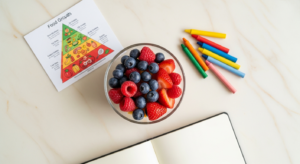
A simple plate pattern keeps decisions easy: following the Harvard Healthy Eating Plate, fill roughly half the plate with vegetables and fruit, a quarter with protein and a quarter with whole grains, then add a spoon of healthy fat. A few examples:
- Breakfast: oats cooked in milk with chopped walnuts and blueberries, or eggs with sauteed spinach and whole-grain toast.
- Lunch: a lentil and vegetable soup with a side salad, or a quinoa bowl with chickpeas, cucumber, tomatoes and olive oil dressing.
- Dinner: baked salmon with roasted broccoli and quinoa, or a tofu and vegetable stir-fry over brown rice.
- Snacks: yogurt with berries, carrots with hummus, or a small handful of almonds.
Shopping tips that save time and money
- Plan three dinners, not seven. Leftovers and a pantry meal cover the rest.
- Shop the perimeter first, then add pantry items.
- Buy dried or canned beans. They are inexpensive and versatile.
- Read labels for added sugar in sauces, cereals and yogurts.
- Keep a running list on your phone so you restock what you actually use.
Supplements and special diets
You will see supplements recommended for PCOS everywhere online. Whether any are right for you depends on your own symptoms, test results and medications, so talk to your clinician before starting any. The same applies to strict approaches such as very low-carbohydrate or elimination diets. Some people choose them, but they should be a decision made with a professional, not a default.
When to get personal help
If you are managing PCOS alongside other conditions, are pregnant or trying to conceive, have a history of disordered eating, or are simply unsure where to start, a registered dietitian can build a plan around your life. Your doctor can also tell you whether lab work or other care is needed alongside diet changes.
The bottom line
A PCOS-friendly grocery cart is not exotic. It is vegetables, fruit, beans, whole grains, good protein and healthy fats, with fewer sugary drinks and ultra-processed extras. Use the list above as a template, adjust it for your culture, budget and taste, and remember that eating well is one part of caring for your health, not the whole of it.
Sources
- World Health Organization, "Polycystic ovary syndrome" fact sheet: https://www.who.int/news-room/fact-sheets/detail/polycystic-ovary-syndrome
- Harvard Health Publishing, "Foods that fight inflammation" (general guidance on olive oil, nuts, fatty fish, berries and leafy greens, and on limiting refined carbohydrates and sugar-sweetened drinks): https://www.health.harvard.edu/staying-healthy/foods-that-fight-inflammation
- Harvard T.H. Chan School of Public Health, "Healthy Eating Plate": https://nutritionsource.hsph.harvard.edu/healthy-eating-plate/
- Whole Grains Council, "Popcorn: the perfect snack food" (popcorn as a whole grain): https://wholegrainscouncil.org/print/blog/2012/03/popcorn-perfect-snack-food
- Case Western Reserve University, "Rinsing canned beans reduces sodium content up to 40%": https://case.edu/news/nutritions-lindsay-malone-explains-rinsing-canned-beans-reduces-sodium-content-40-and-may-lower-gas-causing-carbohydrates