Embracing the Financial Frontier in Retirement: Securing Your Future
The foundation of a serene retirement often rests on a solid financial plan. For women, who may have experienced career breaks for family caregiving or faced gender pay gaps, proactive financial management in retirement is even more crucial. This isn’t just about numbers; it’s about peace of mind, freedom, and the ability to live the life you’ve earned. As you transition in 2026 and beyond, a thorough review of your financial standing is your first, most empowering step.
Re-evaluating Your Budget and Spending Habits: Your pre-retirement budget likely reflected work-related expenses like commuting, professional attire, and perhaps eating out more frequently. In retirement, these costs may decrease, but new ones could emerge, such as increased spending on hobbies, travel, or healthcare. Take the time to create a detailed post-retirement budget. Track your income from all sources—Social Security, pensions, investments, and any part-time work—and compare it against your projected expenses. Be honest about your discretionary spending. Are you planning more leisurely lunches with friends, or perhaps investing in a new passion like gardening or art? Understanding where your money will go ensures you maintain control and avoid unnecessary stress.
Optimizing Your Investment Portfolio: As you move from accumulation to distribution phases, your investment strategy needs to shift. Work with a trusted financial advisor to review your portfolio’s asset allocation. The goal is often to balance growth with income generation and capital preservation. You might consider investments that provide a steady stream of income, such as bonds, dividend stocks, or annuities, while still maintaining some exposure to growth assets to protect against inflation. Ensure your risk tolerance is accurately reflected, remembering that market fluctuations can feel more daunting when you’re no longer actively earning a salary.
Understanding and Maximizing Your Benefits: Social Security and pension benefits are cornerstones for many retirees. Take the time to understand the nuances of claiming Social Security. For example, delaying your claim past your full retirement age can significantly increase your monthly benefit, a strategy particularly beneficial for women who often live longer. If you have a pension, understand your payout options—lump sum versus annuity—and their implications for your spouse or beneficiaries. Don’t overlook other potential benefits, such as veteran’s benefits, spousal benefits, or specific state programs for seniors.
Estate Planning and Legacy: Retirement is an excellent time to ensure your estate plan is up-to-date and reflects your current wishes. This includes wills, trusts, powers of attorney for finances and healthcare, and beneficiary designations on all your accounts. A comprehensive estate plan provides clarity for your loved ones and ensures your legacy is handled according to your desires. It’s not just about wealth; it’s about ensuring your values and wishes are honored, offering a final layer of peace of mind.
Healthcare Costs and Insurance Planning: One of the most significant financial considerations in retirement is healthcare. Understand your Medicare options (Parts A, B, C, and D) and consider supplemental insurance (Medigap) or Medicare Advantage plans to cover gaps. Factor in potential out-of-pocket expenses, prescription drug costs, and the possibility of long-term care needs. Planning for these costs now can prevent them from becoming a financial burden later, allowing you to focus on your health rather than unexpected bills.
Prioritizing Your Physical Health & Vitality: A Holistic Approach

With the structured demands of a career often diminishing, retirement presents a unique opportunity to truly prioritize your physical health. This isn’t just about managing existing conditions; it’s about embracing a proactive, holistic approach to enhance your vitality and longevity. For health-conscious women, this means tuning into your body’s needs more acutely than ever before.
Establishing a Consistent Exercise Routine: Physical activity is non-negotiable for healthy aging. Aim for a mix of cardiovascular exercises (walking, swimming, cycling), strength training (using weights, resistance bands, or bodyweight), flexibility (stretching, yoga, Pilates), and balance exercises (Tai Chi). The goal isn’t to become an athlete, but to maintain mobility, bone density, muscle mass, and cardiovascular health. Find activities you genuinely enjoy, whether it’s daily brisk walks with a friend, joining a senior fitness class, or exploring hiking trails. Consistency is key, even if it’s just 30 minutes most days of the week.
Nourishing Your Body with Optimal Nutrition: Retirement offers more time to plan and prepare healthy meals. Focus on a diet rich in whole foods: plenty of fruits, vegetables, lean proteins, and whole grains. Reduce processed foods, excessive sugars, and unhealthy fats. Hydration is also paramount. Consider consulting with a registered dietitian to tailor a nutrition plan that addresses your specific health needs, such as managing blood sugar, cholesterol, or supporting bone health. Good nutrition fuels your energy levels, supports cognitive function, and strengthens your immune system, all vital for a vibrant retirement.
Regular Health Check-ups and Screenings: Don’t let go of your routine medical appointments. Regular check-ups with your primary care physician, gynecologist, ophthalmologist, and dentist are more important than ever. Stay up-to-date on screenings like mammograms, colonoscopies, bone density scans, and blood tests. Early detection is crucial for managing potential health issues effectively. Discuss any changes you notice in your body with your doctor, no matter how minor they seem.
Understanding Hormonal Health and Menopause: Many women enter or are well into menopause during their retirement years. The hormonal shifts can impact energy levels, sleep quality, mood, and bone health. Staying informed about these changes is empowering. A menopause tracker can help women monitor symptoms, identify patterns, and provide valuable data to share with their healthcare provider. This tool can assist in understanding personal triggers, tracking the effectiveness of lifestyle adjustments, or discussing potential hormone therapy options. Being proactive about managing menopausal symptoms can significantly improve your quality of life in retirement.
Prioritizing Quality Sleep: As we age, sleep patterns can change, but the need for restorative sleep remains. Aim for 7-9 hours of quality sleep per night. Establish a consistent sleep schedule, create a relaxing bedtime routine, and ensure your bedroom is dark, quiet, and cool. Avoid caffeine and heavy meals close to bedtime, and limit screen time before sleep. If you struggle with insomnia or other sleep disturbances, discuss them with your doctor, as good sleep is fundamental to both physical and mental well-being.
Managing Chronic Conditions Proactively: If you live with chronic conditions such as diabetes, hypertension, or arthritis, retirement provides an opportunity to dedicate more time to their management. This might involve more consistent medication adherence, regular monitoring, and lifestyle modifications. Partner closely with your healthcare team to ensure your treatment plan is optimized and you have the resources you need to manage your health effectively.
Nurturing Your Mental & Emotional Well-being: Finding Joy and Purpose
Cultivating a Sense of Purpose: One of the biggest challenges retirees face is the loss of purpose that a career often provides. Actively seek out new ways to feel significant and engaged. This could be through volunteering, mentoring, pursuing a long-held hobby, or even taking on a part-time job that aligns with your passions. Purpose provides direction, motivation, and a sense of contribution, which are essential for emotional resilience. What matters to you? Where can you make a difference, however small?
Staying Intellectually Engaged: Keep your brain active and challenged. Learn a new language, take online courses, join a book club, master a musical instrument, or delve into complex puzzles. Lifelong learning not only provides intellectual stimulation but can also foster new social connections and prevent cognitive decline. Many universities offer discounted or free courses for seniors, making it easier than ever to explore new academic interests.
Practicing Mindfulness and Stress Management: Retirement is not immune to stress, but it does offer more time to cultivate coping mechanisms. Incorporate mindfulness practices like meditation, deep breathing exercises, or gentle yoga into your daily routine. These practices can help you stay present, reduce anxiety, and improve emotional regulation. Spending time in nature, even a short walk in a local park, can also be incredibly restorative for the mind and spirit.
Maintaining Social Connections: Isolation can be a significant threat to mental well-being in retirement. Actively work to maintain and build new social connections. Schedule regular outings with friends, join clubs or groups aligned with your interests, or engage in community activities. Human connection is a powerful antidote to loneliness and contributes significantly to overall happiness and a sense of belonging. Don’t be afraid to reach out and initiate plans.
Seeking Professional Support When Needed: It’s important to recognize that adjusting to retirement can be a significant life change, and it’s perfectly normal to experience periods of sadness, anxiety, or difficulty coping. If these feelings persist or become overwhelming, don’t hesitate to seek support from a therapist or counselor. Mental health professionals can provide strategies and tools to navigate this transition effectively, helping you process emotions and develop healthy coping mechanisms.
Embracing Self-Compassion: Be kind to yourself during this transition. There will be good days and challenging days. Understand that adjusting to a new rhythm takes time, and it’s okay not to have all the answers immediately. Treat yourself with the same warmth and understanding you would offer a dear friend, acknowledging your efforts and celebrating small victories along the way.
Cultivating a Vibrant Social Life & Community: The Power of Connection
One of the most enriching aspects of retirement is the newfound freedom to nurture relationships and build a strong sense of community. While a career often provides a ready-made social circle, retirement requires intentional effort to maintain existing bonds and forge new ones. For women, who often act as the social glue within families and communities, this aspect of retirement can be profoundly rewarding.
Reconnecting with Loved Ones: Use your increased free time to deepen relationships with family and long-time friends. Schedule regular calls, video chats, or visits with children, grandchildren, siblings, and cousins. Organize family gatherings or plan trips together. These connections are invaluable sources of joy, support, and shared history. Remember that quality time often outweighs quantity, so make each interaction meaningful.
Joining Clubs and Organizations: Explore local community centers, libraries, and senior organizations for clubs and groups that align with your interests. Whether it’s a gardening club, a book discussion group, a hiking club, or a crafting circle, these groups offer a fantastic way to meet like-minded individuals and build new friendships. Shared hobbies create natural conversation starters and a sense of camaraderie.
Volunteering Your Time and Talents: Giving back to your community is a powerful way to stay engaged, meet new people, and maintain a sense of purpose. Consider volunteering for a cause you care about—a local hospital, animal shelter, museum, school, or environmental organization. Your skills and experience, honed over years, can be invaluable to non-profits, and the connections you make through service can be incredibly fulfilling.
Exploring Educational and Cultural Opportunities: Many communities offer adult education classes, workshops, and cultural events specifically designed for seniors. Sign up for a painting class, learn a new language, attend lectures, or join a local theater group. These activities not only stimulate your mind but also provide excellent opportunities to interact with others who share similar intellectual or artistic interests.
Embracing Technology for Connection: Don’t underestimate the power of technology to bridge distances. Learn how to use video conferencing tools to connect with family and friends who live far away. Join online forums or social media groups dedicated to your hobbies or interests. While not a replacement for in-person interaction, technology can significantly enhance your social reach and keep you connected to diverse communities.
Cultivating New Friendships: Be open to forming new friendships. Strike up conversations with people you meet at the gym, in coffee shops, or at community events. Invite new acquaintances for coffee or a walk. Building new relationships can bring fresh perspectives, new experiences, and expand your social network in exciting ways. Remember, everyone is looking for connection, and a warm smile or genuine inquiry can go a long way.
Redefining Purpose & Pursuing Passions: Your Adventure Awaits
With the demands of a career behind you, retirement opens up a vast landscape of possibilities to redefine your purpose and wholeheartedly pursue passions that may have been sidelined for years. This is your time to explore, learn, and grow, embracing adventures big and small. For women, this period can be a profound opportunity for self-discovery and personal fulfillment.
Rediscovering Hobbies and Interests: What activities brought you joy before work consumed your time? Perhaps it was painting, playing a musical instrument, gardening, writing, or photography. Dive back into these cherished hobbies with renewed vigor. The uninterrupted time allows for deeper engagement and mastery, bringing immense satisfaction and a sense of accomplishment.
Embracing Lifelong Learning: The brain thrives on novelty and challenge. Consider taking courses at a local college or community center, exploring online learning platforms, or joining study groups. Learn a new language, delve into history, explore a scientific topic, or master a new craft. The pursuit of knowledge not only keeps your mind sharp but also opens doors to new communities and intellectual stimulation.
Exploring Travel and Adventure: Retirement often means more flexibility for travel. Whether it’s day trips to nearby attractions, exploring national parks, or embarking on international adventures, seeing new places can broaden your perspective and create lasting memories. Consider different types of travel, from guided tours to independent explorations. For those who love the open road and family bonding, tips for taking a family RV road trip can be incredibly valuable. Planning routes, packing essentials, ensuring vehicle maintenance, and finding engaging activities for all ages can transform a simple journey into an unforgettable shared experience. An RV trip allows for spontaneity, connection with nature, and the joy of creating memories with loved ones across diverse landscapes.
Part-Time Work or Consulting: Retirement doesn’t necessarily mean an end to all work. Many women find fulfillment in part-time work, consulting, or starting a small business that aligns with their passions or expertise. This can provide supplemental income, maintain a professional identity, and keep you mentally engaged without the full-time commitment. Think about what skills you’ve honed over your career that could be valuable to others.
Creative Endeavors and Artistic Expression: Unleash your inner artist! Retirement is an ideal time to explore creative outlets like writing a memoir, composing music, joining a choir, taking up pottery, or exploring textile arts. Creative expression is a powerful tool for self-discovery, emotional release, and generating a sense of personal achievement. Don’t worry about perfection; focus on the joy of creation.
Volunteering and Philanthropy: As mentioned earlier, giving back provides immense purpose. Beyond traditional volunteering, consider how you can leverage your life experience and resources to make a meaningful impact. This could involve mentoring younger generations, advocating for causes you believe in, or participating in philanthropic activities. Contributing to something larger than yourself can be incredibly rewarding and instill a deep sense of meaning in your retired years.
Creating Your Sanctuary: Home, Health & Self-Care
As you step into retirement, your home often transforms into more than just a place to live; it becomes your sanctuary, a haven for relaxation, hobbies, and personal growth. Simultaneously, the focus on self-care moves from occasional indulgence to an essential cornerstone of your daily well-being. For women, creating a nurturing environment both inside and out is vital for a truly fulfilling retirement.
Decluttering and Organizing Your Home: With more time spent at home, a clear and organized living space can significantly impact your mood and productivity. Tackle decluttering projects that you’ve put off for years. Organize closets, tidy up your kitchen, and create dedicated spaces for your new hobbies. A less cluttered environment often leads to a less cluttered mind, reducing stress and enhancing a sense of calm and control. Consider the principles of ‘aging in place’ as you organize, ensuring your home remains safe and accessible for years to come.
Personalizing Your Living Space: Infuse your home with elements that bring you joy and comfort. This might mean redecorating a room, creating a cozy reading nook, setting up a dedicated craft or art studio, or enhancing your garden. Surround yourself with colors, textures, and objects that reflect your personality and passions. Your home should be a reflection of the vibrant woman you are becoming in retirement.
Embracing a Green Oasis: Whether you have a sprawling garden or just a few potted plants, connecting with nature indoors and out can be incredibly therapeutic. Gardening provides physical activity, a creative outlet, and the satisfaction of nurturing life. Even caring for houseplants can improve air quality and bring a sense of tranquility to your living spaces.
Establishing a Regular Self-Care Routine: Self-care is not selfish; it’s essential for sustained well-being. This includes daily rituals that replenish your energy and soothe your spirit. It might be a morning meditation, an evening bath, listening to calming music, or simply enjoying a cup of tea in silence. Schedule this time for yourself as non-negotiable.
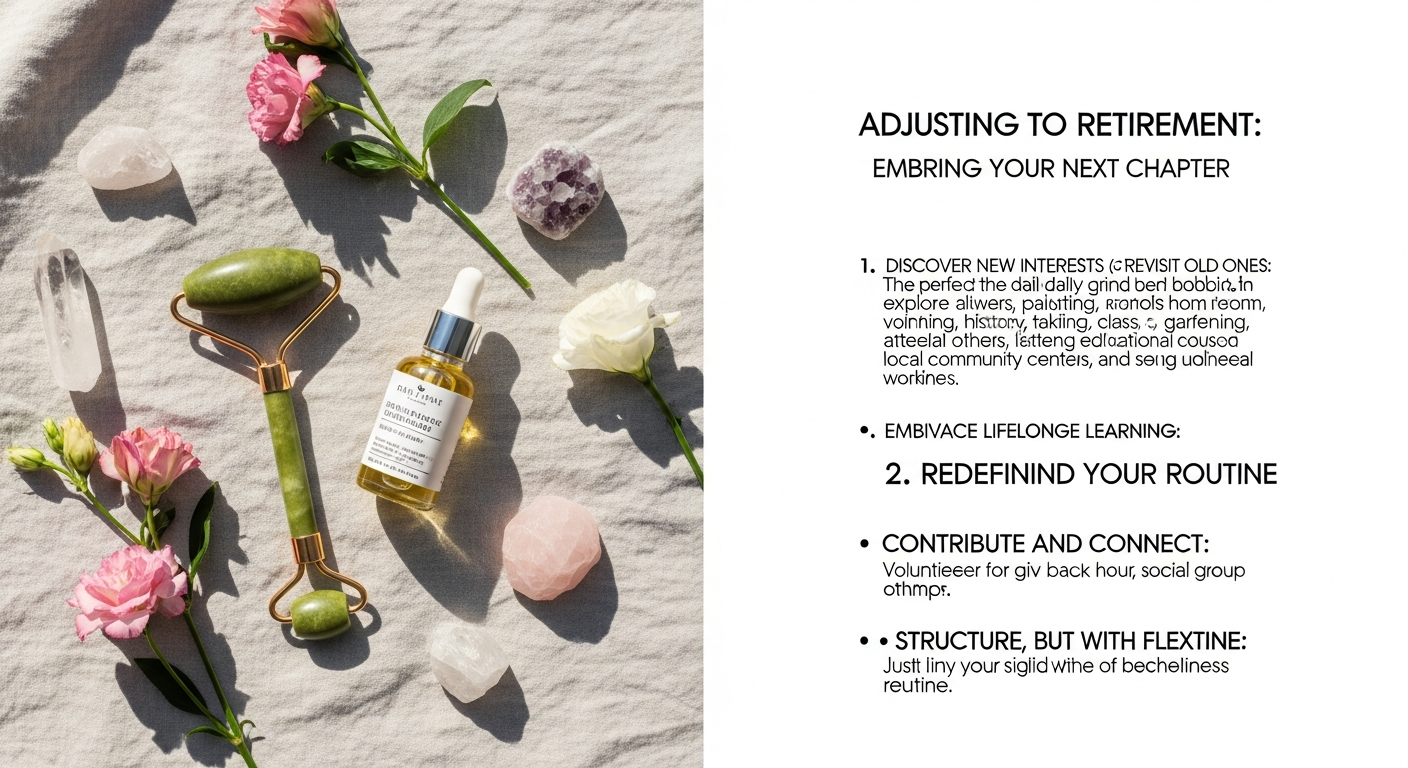
The Art of At-Home Pampering: Retirement provides the luxury of time for indulgent self-care practices. Learning how to do a facial at home is a wonderful way to treat your skin, relax your mind, and feel refreshed without leaving your sanctuary. Gather your favorite cleansers, toners, masks, and moisturizers. Create a spa-like atmosphere with soft lighting, essential oils, and calming music. The process itself—cleansing, exfoliating, massaging, and nourishing your skin—is deeply relaxing and beneficial. Beyond facials, consider regular manicures, pedicures, or hair treatments at home. These small acts of self-love contribute significantly to your overall sense of well-being and confidence as you navigate this new life stage.
Mindful Eating and Enjoying Meals: With fewer time constraints, you can savor your meals more mindfully. Cook healthy, delicious food, experiment with new recipes, and enjoy meals with loved ones. Eating becomes not just a necessity but a pleasurable experience, enhancing your connection to your body and to those you share your table with.
Creating a Restful Sleep Environment: Your bedroom should be a haven for sleep. Ensure it’s dark, quiet, and cool. Invest in comfortable bedding and pillows. Disconnect from screens at least an hour before bed. A consistent, calming bedtime routine contributes significantly to restorative sleep, which is fundamental to both physical and mental health in retirement.
Frequently Asked Questions
Recommended Resources
You might also enjoy How To Build A Capsule Wardrobe That Works For Everything from Sometimes Daily.
For more on tips for adjusting, see How To Build A Work Wardrobe Capsule on Fashion Goggled.