
Pre-Trip Planning & Preparation: The Foundation of Fun
The secret to a stress-free RV road trip lies in thorough preparation. Think of this stage as laying the groundwork for your mobile oasis. A well-thought-out plan empowers you to relax and enjoy the journey, knowing most contingencies have been considered.
Crafting Your Itinerary and Route
- Destination Dreaming: Start by involving the whole family in choosing destinations. Research national parks, scenic routes, and family-friendly attractions. Consider the interests of all ages, from toddlers to teenagers.
- Pacing is Key: Avoid over-scheduling. RV travel is about the journey, not just the destination. Plan for shorter driving days (200-300 miles max) to allow for spontaneous stops, exploring local towns, and minimizing driver fatigue.
- Campsite Reservations: Especially during peak seasons or for popular parks in 2026, booking campsites well in advance is crucial. Use apps like Hipcamp, RV LIFE, or KOA to find and reserve spots. Pay attention to amenities like hookups (water, electricity, sewer), restrooms, and recreational facilities.
- Flexibility Fund: While a plan is essential, leave room for spontaneity. Some of the best memories are made when you deviate from the original route to explore an unexpected gem.
RV Readiness: Inspections and Maintenance
- Mechanical Check-up: Before you even pack a single bag, ensure your RV is in top mechanical condition. Have a professional inspect tires (including the spare), brakes, fluids, battery, and engine. This proactive step can prevent costly breakdowns and ensure safety.
- Systems Check: Test all RV systems: plumbing (freshwater, grey, black tanks), electrical (shore power, battery, generator), propane, and appliances (refrigerator, stove, water heater, AC/heater). Make any necessary repairs or replacements.
- Emergency Kit: Assemble a comprehensive roadside emergency kit. This should include jumper cables, basic tools, a first-aid kit, flashlight, reflective triangles, and extra fuses. Consider a roadside assistance membership.
Packing Smart: Essentials for Comfort and Wellness
Packing for an RV trip is different from traditional travel. You have more space, but organization is paramount to avoid clutter and stress.
- Kitchen Essentials: Stock your RV kitchen with non-perishable pantry staples, basic cooking utensils, and reusable containers. Planning meals in advance can save money and promote healthier eating. Think about easy-to-prepare, nutritious options.
- Bedding and Linens: Bring comfortable bedding, towels, and extra blankets. Consider waterproof mattress protectors for kids’ beds.
- Clothing for All Weather: Pack layers. RV travel can take you through diverse climates. Don’t forget rain gear, swimsuits, and comfortable walking shoes.
- Personal Care & Wellness: Create a dedicated bag for toiletries. Include sunscreen, insect repellent, and any necessary medications. Remember to pack items for self-care rituals. Even on the road, your self-care ritual doesn’t have to disappear. Imagine unwinding with a quick version of how to do a facial at home, using travel-sized products and a soothing mask under the stars. It’s a small luxury that can make a big difference in your well-being.
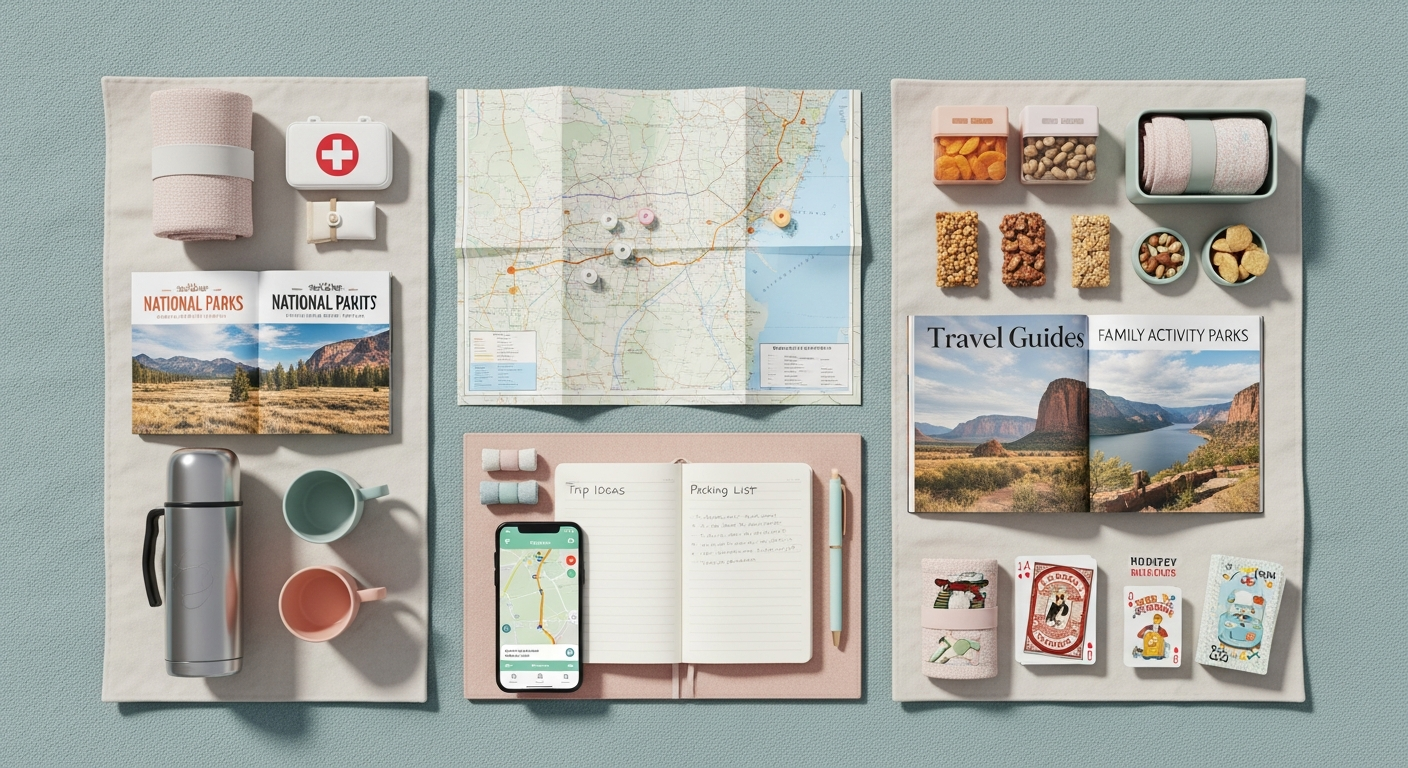
- Entertainment & Education: Books, board games, art supplies, and outdoor activity gear (bikes, hiking poles) are crucial for keeping everyone engaged, especially during downtime or inclement weather. Download movies and audiobooks in advance for areas with poor signal.
RV Life On The Road: Making Memories Mile by Mile
Once you’re on the road, the real adventure begins. Managing daily RV life effectively ensures smooth sailing and maximum enjoyment for the entire family.
Setting Up and Breaking Down Camp
- Team Effort: Involve everyone in the setup and breakdown process. Assign age-appropriate tasks: kids can help with leveling blocks, unrolling hoses, or organizing inside. This fosters a sense of responsibility and makes the process quicker.
- Safety First: Always follow proper procedures for leveling, connecting utilities, and securing your RV. Double-check everything before driving off, especially slide-outs, awnings, and storage compartments.
- Establishing Routines: Create simple routines for morning and evening. Knowing what to expect reduces friction and helps everyone feel more settled.
Meals on Wheels: Healthy Eating & Hydration
One of the joys of RV travel is having your kitchen with you, allowing for healthier, more budget-friendly meals.
- Meal Planning & Prep: Before you leave, plan out as many meals as possible. Pre-chop vegetables, cook proteins, and portion snacks. This saves time and minimizes cooking on the road.
- Smart Grocery Shopping: Shop at local grocery stores rather than convenience stores to save money and access fresh produce. Support local farmers’ markets for a taste of regional flavors.
- Hydration Station: Always have plenty of water on hand. Consider a water filter for your RV or reusable water bottles for each family member. Staying hydrated is crucial for energy and overall health.
- Cooking Outdoors: Embrace outdoor cooking with a portable grill or campfire. This reduces heat inside the RV and enhances the camping experience.
Navigating with Kids and Teens
- Designated Spaces: Even in a smaller RV, try to create small, personalized spaces for each child, whether it’s a specific bunk, a storage bin for their toys, or a designated “quiet corner.”
- Screen Time Balance: While screens can be lifesavers on long drives, encourage balance. Plan for plenty of outdoor activities, reading time, and family games.
- Involve Them in Decisions: Let kids choose a hiking trail, a campsite activity, or even what to cook for dinner. This sense of ownership boosts engagement and reduces complaints.
- Educational Opportunities: Use travel as a learning experience. Explore historical sites, learn about local flora and fauna, or track your route on a map.
Keeping Everyone Happy & Healthy: Wellness on Wheels
Physical Activity & Outdoor Exploration
The beauty of an RV trip is the proximity to nature. Capitalize on this!
- Daily Movement: Plan for daily physical activity. Hike trails, bike around campgrounds, swim in lakes, or simply take brisk walks. Even short bursts of activity can boost mood and energy.
- Nature Play: Encourage unstructured outdoor play for children. Let them explore, climb, and get dirty. This fosters creativity and connection with the natural world.
- Mindful Moments: Practice mindfulness in nature. Take time to simply sit, observe, and appreciate your surroundings. This can be incredibly grounding and stress-reducing.
Managing Health & Wellness Needs
- First-Aid Kit Overhaul: Beyond the basic emergency kit, customize a first-aid kit specifically for your family’s health needs. Include pain relievers, allergy medication, bandaids, antiseptic wipes, and any prescription medications. Keep it easily accessible.
- Sleep Hygiene: Ensure everyone gets adequate sleep. RVs can be noisy, so consider earplugs or white noise machines. Maintain a consistent bedtime routine as much as possible.
- Mental Health Breaks: Traveling can be stimulating but also overwhelming. Schedule downtime for quiet activities, reading, or simply relaxing. Encourage individual space when needed.
- Women’s Health Considerations: For women navigating the unique journey of menopause, maintaining comfort and well-being on the road is paramount. Just as a menopause tracker can help women monitor symptoms and predict patterns in daily life, understanding your body’s needs during travel allows for proactive planning. Pack appropriate clothing for temperature fluctuations, stay hydrated, and ensure access to cooling towels or fans if needed. Prioritize comfort and listen to your body.
The Art of Self-Care on the Road
As the primary planner and often the emotional anchor of the family, your well-being is crucial. Don’t neglect your own self-care.
- Designated “Me Time”: Carve out small pockets of time for yourself. This might be enjoying a cup of coffee in solitude before the family wakes up, reading a book in a quiet corner, or taking a solo walk.
- Simple Pleasures: Bring along small comforts that bring you joy – a favorite tea, a good book, a journal. These small acts of self-nurturing can replenish your spirit.
- Connect with Your Partner: Plan moments for connection with your partner, even if it’s just a quiet conversation after the kids are asleep or a shared walk.
- Mindful Eating: Even with family meals, take time to savor your food and eat mindfully, appreciating the nourishment.
Budgeting & Saving Smart: Financial Freedom on Four Wheels
An RV road trip can be an incredibly cost-effective way to travel, but only with careful budgeting and smart spending habits. Planning your finances beforehand reduces stress and allows you to enjoy the experience without constant worry.
Mapping Out Your Expenses
- Fuel Costs: This will likely be your biggest expense. Research fuel prices along your route using apps like GasBuddy. Consider fuel-efficient driving habits (maintaining a steady speed, avoiding rapid acceleration/braking).
- Campsite Fees: These vary widely based on location, amenities, and time of year. Factor in an average daily rate. Look for discounts like Passport America or state park passes.
- Food & Groceries: Budget for groceries, but also allow a small fund for occasional restaurant meals or local treats. Cooking most meals in your RV is a huge money-saver.
- Activities & Entertainment: Allocate funds for park entrance fees, tours, souvenirs, and any special experiences you plan. Look for free or low-cost activities like hiking, swimming, or visiting free museums.
- Miscellaneous & Contingency: Always build in a buffer for unexpected expenses like minor RV repairs, laundry, or a sudden change of plans. A 10-15% contingency fund is a good rule of thumb.
Smart Strategies for Saving Money
- Cook More, Eat Out Less: As mentioned, this is the number one way to save. Plan meals, pack snacks, and utilize your RV kitchen.
- Boondocking & Dry Camping: For significant savings on campsite fees, explore boondocking (camping without hookups in undeveloped areas) or dry camping (camping without hookups in designated areas). Always research local regulations and safety precautions.
- Travel Off-Peak: If your schedule allows, traveling during the shoulder seasons (spring or fall) or off-peak times can result in lower campsite fees, fewer crowds, and often more pleasant weather.
- Membership Programs: Investigate memberships like Good Sam Club, KOA Rewards, or state park passes, which can offer significant discounts on campsites, fuel, and other RV-related services.
- DIY Maintenance:
Recommended Resources
Check out How To Shop Secondhand Clothing Guide on Fashion Goggled for a deeper dive.
Learn more about this topic in How To Layer Skincare Products In The Right Order at The Contextual Life.