Prioritizing Preventive Care & Regular Screenings: Your Health Blueprint
Proactive health management is not merely about reacting to illness; it’s about building a robust foundation of wellness that stands the test of time. For women, this journey begins with a commitment to preventive care and consistent screenings, which serve as critical tools for early detection and intervention. Ignoring these vital check-ups can have significant long-term consequences, often making treatable conditions more complex if discovered late. By understanding the recommended screenings and incorporating them into your annual health routine, you empower yourself with knowledge and control over your health trajectory.
The Annual Physical: More Than Just a Check-In
Your annual physical examination is far more than a routine inconvenience; it’s an invaluable opportunity to establish a baseline for your health and foster a strong relationship with your healthcare provider. During this visit, your doctor will assess your overall health, discuss your medical history, and address any concerns you may have. Key components typically include:
- Blood Pressure Monitoring: Early detection of hypertension is crucial for preventing heart disease and stroke.
- Cholesterol and Blood Sugar Checks: These screenings help identify risks for heart disease and diabetes, allowing for lifestyle modifications or medical interventions.
- Weight and BMI Assessment: Maintaining a healthy weight is fundamental to preventing a myriad of health issues, from joint pain to metabolic disorders.
- Vaccination Updates: Ensuring you are up-to-date on vaccinations, such as the flu shot, HPV vaccine, and tetanus booster, protects you from preventable diseases.
- Lifestyle Discussions: Your doctor can provide personalized advice on nutrition, exercise, stress management, and sleep, tailoring recommendations to your unique needs and circumstances.
Essential Screenings for Every Woman
Beyond the general physical, specific screenings are tailored to women’s unique health needs. Adhering to these guidelines is paramount for early detection of gender-specific conditions:
- Mammograms: Recommended biennially for women aged 40 to 74, mammograms are the gold standard for detecting breast cancer early, often before a lump can be felt. Discuss your personal risk factors and family history with your doctor to determine the appropriate screening schedule for you.
- Pap Smears (Cervical Cancer Screening): Generally recommended every three years for women aged 21-29, and every five years for women aged 30-65 with HPV testing. Screening may be discontinued after 65 if there is a history of adequate prior screening.
- Bone Density Scans (DEXA Scans): Typically beginning around age 65, or earlier for those with specific risk factors (e.g., family history of osteoporosis, certain medical conditions, early menopause), these scans measure bone mineral density to assess the risk of osteoporosis and fractures. Building strong bones through diet and exercise in younger years significantly impacts bone health later in life.
- Colorectal Cancer Screening: Guidelines generally recommend screening beginning at age 45 for individuals of average risk, using methods such as colonoscopy, stool-based tests, or flexible sigmoidoscopy. Early detection is vital for successful treatment.
- Skin Cancer Screenings: Regular self-skin exams and professional dermatological checks are crucial for identifying suspicious moles or lesions early, especially for those with a history of sun exposure or fair skin.
Remember, these are general guidelines. Your personal medical history, family history, and lifestyle factors will influence the specific frequency and type of screenings recommended by your healthcare provider. Establishing open communication with your doctor and actively participating in decisions about your preventive care is the most effective strategy for maintaining optimal health.
Women’s Preventive Care by Age
| Screening | Age Range | Frequency | Criteria for Suspension |
|---|---|---|---|
| Breast Cancer (Mammography) | 40-74 | Biennial | After 74, based on health status and prior screenings |
| Cervical Cancer (Pap/HPV) | 21-65 | 21-29: Pap every 3 years; 30-65: HPV every 5 years or co-test every 5 years | After 65, if adequate prior screening |
| Colorectal Cancer | 45-75 | Varies by test type (e.g., colonoscopy every 10 years) | After 85, or based on individual health |
| Osteoporosis (DEXA Scan) | ≥65 | As recommended based on risk factors | N/A |
Heart Disease in Women
Heart disease is the leading cause of death among women, often presenting with atypical symptoms such as chest pain, back pain, neck or jaw pain. Women face increased risk with menopause, diabetes, smoking, and certain obstetric histories. Recognizing these symptoms and understanding the unique risk factors can lead to early intervention and better outcomes.
Sexual Health & STI Testing
Maintaining sexual health is crucial for overall well-being. Women under 25 should have annual screenings for chlamydia and gonorrhea, while those 25 and older should be screened based on risk factors. HIV screening is recommended for ages 15-65 and during pregnancy. Hepatitis C screening should be done at least once for those aged 18-79. Pregnant women should be screened for syphilis, HIV, hepatitis B, and hepatitis C early in pregnancy.
Nurturing Your Hormonal Health & Balance: A Lifelong Journey
Hormones are the intricate messengers of your body, influencing everything from your mood and energy levels to your metabolism and reproductive health. For women, hormonal fluctuations are a natural part of life, experienced during puberty, menstruation, pregnancy, and menopause. However, when these fluctuations become imbalanced, they can significantly impact overall well-being. Understanding the signs of hormonal imbalance and exploring supportive strategies is a cornerstone of women’s health.
Understanding Hormonal Imbalance Symptoms & Their Impact
Hormonal imbalances can manifest in a myriad of ways, often subtly at first, making them challenging to identify. Common hormones that can become imbalanced in women include estrogen, progesterone, testosterone, cortisol (stress hormone), and thyroid hormones. Recognizing the signs is the first step toward seeking support:
- Irregular Periods: Significant changes in cycle length, heavy or very light bleeding, or missed periods can signal imbalances in estrogen and progesterone.
- Mood Swings & Irritability: Hormonal shifts can profoundly affect neurotransmitters, leading to heightened emotional responses, anxiety, depression, and irritability.
- Fatigue & Sleep Disturbances: Persistent tiredness, difficulty falling asleep, or waking frequently can be linked to imbalances in cortisol, thyroid hormones, or estrogen.
- Weight Changes: Unexplained weight gain or difficulty losing weight, particularly around the abdomen, can be a symptom of thyroid issues, insulin resistance, or estrogen dominance.
- Skin and Hair Changes: Acne, dry skin, hair thinning, or excessive hair growth (hirsutism) can be indicative of androgen imbalances (like testosterone).
- Digestive Issues: Bloating, constipation, or changes in bowel habits can sometimes be linked to hormonal fluctuations affecting gut motility.
- Low Libido: A decrease in sex drive can be a common sign of hormonal shifts, particularly low estrogen or testosterone.
If you experience a combination of these symptoms consistently, it’s crucial to consult your healthcare provider. They can perform diagnostic tests to identify specific imbalances and recommend appropriate interventions.
Natural Remedies & Lifestyle Support for Hormonal Balance
While medical intervention may be necessary in some cases, many women find significant relief and improvement in their hormonal health through natural remedies and lifestyle adjustments. Integrating these practices can create a more balanced internal environment:
- Nutrient-Rich Diet:
- Fiber: Essential for hormone detoxification and gut health, helping to excrete excess hormones. Focus on whole grains, fruits, vegetables, and legumes.
- Healthy Fats: Crucial for hormone production. Incorporate avocados, nuts, seeds (flax, chia, hemp), and fatty fish rich in Omega-3s.
- Protein: Supports balanced blood sugar and provides amino acids necessary for hormone synthesis.
- Cruciferous Vegetables: Broccoli, cauliflower, kale, and Brussels sprouts contain compounds that aid in estrogen metabolism.
- Limit Processed Foods & Sugar: These can contribute to inflammation and insulin resistance, disrupting hormonal balance.
- Stress Management: Chronic stress elevates cortisol, which can disrupt other hormone pathways. Incorporate practices like:
- Mindfulness and Meditation: Regular practice can significantly reduce stress levels.
- Yoga and Deep Breathing: These activities calm the nervous system.
- Nature Exposure: Spending time outdoors has proven benefits for stress reduction.
- Adequate Sleep: Aim for 7-9 hours of quality sleep per night. Sleep deprivation can wreak havoc on cortisol, insulin, and hunger-regulating hormones. Establish a consistent sleep schedule and create a conducive sleep environment.
- Regular Exercise: Moderate, consistent physical activity helps with weight management, reduces stress, and improves insulin sensitivity. However, over-exercising can sometimes exacerbate hormonal issues, so listen to your body.
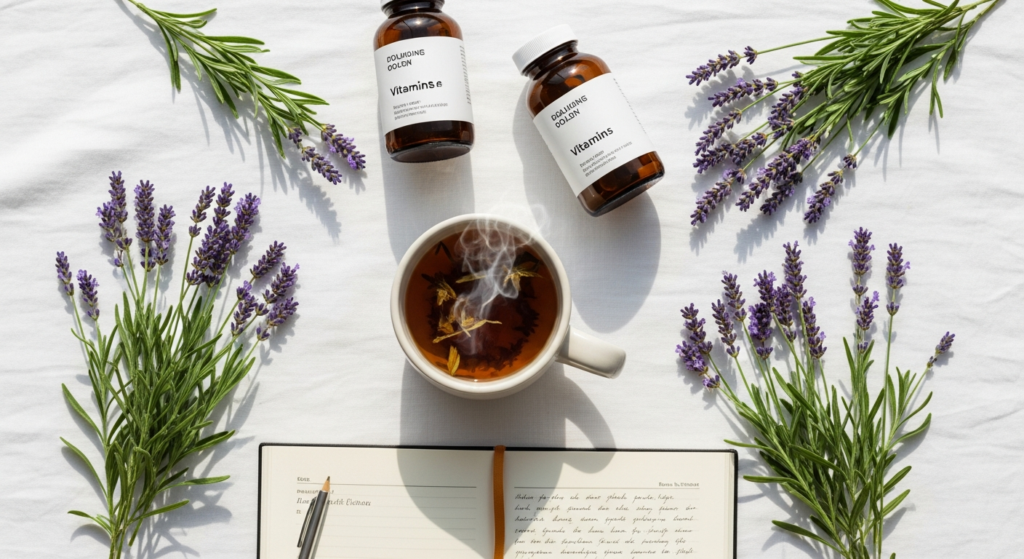
- Herbal Support (with caution): Certain herbs are traditionally used to support hormonal balance, such as Vitex (Chasteberry) for PMS and irregular cycles, Maca root for energy and libido, and adaptogens like Ashwagandha for stress. Always consult a healthcare professional before starting any new herbal supplements, especially if you are on medication or have underlying health conditions.
- Environmental Toxin Reduction: Minimize exposure to endocrine-disrupting chemicals found in plastics (BPA/BPS), certain personal care products, and pesticides, which can mimic or interfere with natural hormones.
By adopting a holistic approach that integrates these natural remedies and lifestyle changes, many women can significantly improve their hormonal health, leading to greater vitality and well-being. Remember, patience and consistency are key, as hormonal balance is a gradual process.
The Foundation of Holistic Wellness: Nutrition, Movement & Sleep
Nourishing Your Body: The Power of Intentional Nutrition
What you eat directly fuels every cell in your body, impacting energy levels, mood, cognitive function, and disease prevention. For women, specific nutritional needs shift throughout different life stages, but the principles of a balanced, whole-food diet remain constant.
- Embrace Whole Foods: Prioritize fruits, vegetables, lean proteins, whole grains, and healthy fats. These foods are rich in essential vitamins, minerals, and antioxidants that protect your cells and support optimal bodily functions.
- Prioritize Protein: Adequate protein intake is vital for muscle maintenance, hormone production, and satiety. Include sources like lean meats, poultry, fish, eggs, legumes, and plant-based proteins in every meal.
- Don’t Fear Healthy Fats: Omega-3 fatty acids (found in salmon, flaxseeds, walnuts) are crucial for brain health, reducing inflammation, and hormone regulation. Monounsaturated fats (avocado, olive oil) also support heart health.
- Fiber is Your Friend: Found in fruits, vegetables, whole grains, and legumes, fiber supports digestive health, helps regulate blood sugar, and aids in detoxification, including the elimination of excess hormones.
- Hydration is Key: Water is essential for every bodily process. Aim for at least 8 glasses a day, and more if you are active or in a warm climate.
- Mindful Eating: Pay attention to hunger and fullness cues, savor your meals, and avoid distractions while eating. This promotes better digestion and a healthier relationship with food.
- Consider Specific Needs: Women often need to pay extra attention to iron (especially pre-menopausal), calcium and Vitamin D (for bone health), and folate (for reproductive health). Discuss any potential deficiencies with your doctor or a registered dietitian.
Moving Your Body: Beyond Exercise, Towards Joyful Movement
Physical activity is not just about burning calories; it’s about strengthening your heart, building strong bones, improving mood, and enhancing cognitive function. For women, regular movement can help manage weight, reduce the risk of chronic diseases, improve sleep, and even alleviate symptoms of PMS and menopause.
- Aim for Variety:
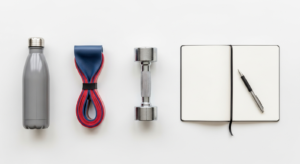
- Cardiovascular Exercise: Activities like brisk walking, jogging, cycling, or swimming strengthen your heart and lungs. Aim for at least 150 minutes of moderate-intensity or 75 minutes of vigorous-intensity aerobic activity per week.
- Strength Training: Lifting weights, using resistance bands, or bodyweight exercises (squats, lunges, push-ups) are crucial for building and maintaining muscle mass, which supports metabolism and bone density. Aim for at least two sessions per week.
- Flexibility and Balance: Yoga, Pilates, and stretching improve range of motion, prevent injuries, and enhance balance, which becomes increasingly important with age.
- Find What You Love: The most effective exercise plan is one you can stick to. Explore different activities until you find something you genuinely enjoy, whether it’s dancing, hiking, team sports, or gardening.
- Incorporate Movement Throughout Your Day: Don’t limit activity to dedicated workout sessions. Take the stairs, walk during phone calls, stretch regularly, and break up long periods of sitting.
- Listen to Your Body: Rest and recovery are just as important as activity. Avoid overtraining, which can lead to injury and burnout, and understand that your energy levels may fluctuate with your menstrual cycle.
Restoring Your Mind & Body: The Essential Role of Sleep
Sleep is not a luxury; it is a fundamental biological need that profoundly impacts every aspect of your health. During sleep, your body repairs itself, consolidates memories, regulates hormones, and processes emotions. Chronic sleep deprivation can lead to a host of issues, including impaired immune function, weight gain, increased risk of chronic diseases, and mental health challenges.
- Prioritize 7-9 Hours: Most adults need 7-9 hours of quality sleep per night. Make sleep a non-negotiable part of your daily routine.
- Establish a Consistent Sleep Schedule: Go to bed and wake up around the same time each day, even on weekends, to regulate your body’s natural sleep-wake cycle (circadian rhythm).
- Create a Relaxing Bedtime Routine: Wind down with activities like reading, taking a warm bath, gentle stretching, or listening to calming music. Avoid screens (phones, tablets, computers) for at least an hour before bed.
- Optimize Your Sleep Environment: Ensure your bedroom is dark, quiet, and cool. Invest in a comfortable mattress and pillows.
- Limit Stimulants: Reduce caffeine and alcohol intake, especially in the afternoon and evening, as they can interfere with sleep quality.
- Manage Stress: High stress levels are a major impediment to sleep. Incorporate stress-reduction techniques throughout your day to prevent anxiety from carrying into bedtime.
By diligently tending to these three pillars – nutrition, movement, and sleep – women can build a resilient foundation for holistic wellness, empowering them to navigate life’s challenges with energy and grace.
Mental Well-being: A Non-Negotiable Aspect of Health
While physical health often takes center stage, mental well-being is equally, if not more, crucial for a woman’s overall vitality. The mind and body are inextricably linked; what affects one invariably impacts the other. In 2026, the conversation around mental health has thankfully become more open, yet stigma persists. For women, who often juggle multiple roles and face unique societal pressures, prioritizing mental health is not a luxury but an absolute necessity.
Recognizing the Signs and Seeking Support
It’s important to differentiate between everyday stress and more persistent mental health challenges. While everyone experiences periods of sadness or anxiety, prolonged or severe symptoms warrant professional attention. Common signs that you might need to focus more on your mental well-being include:
- Persistent Sadness or Emptiness: Feeling down or losing interest in activities you once enjoyed for an extended period.
- Excessive Worry or Anxiety: Constant and overwhelming feelings of apprehension that interfere with daily life.
- Changes in Sleep Patterns: Insomnia, oversleeping, or restless sleep that isn’t restorative.
- Changes in Appetite or Weight: Significant, unintentional fluctuations in eating habits or body weight.
- Irritability or Mood Swings: Unexplained shifts in mood that are out of character.
- Fatigue or Low Energy: Feeling drained even after adequate rest.
- Difficulty Concentrating: Struggling to focus, make decisions, or remember things.
- Withdrawal from Social Activities: Isolating yourself from friends, family, or social events.
- Physical Symptoms: Unexplained headaches, digestive issues, or chronic pain without a clear physical cause.
If you recognize these symptoms in yourself or a loved one, please know that you are not alone, and help is available. Reaching out to a doctor, therapist, counselor, or support group is a sign of strength, not weakness. Mental health professionals can provide strategies, therapies, and sometimes medication to help manage conditions like depression, anxiety, and other mental health disorders.
Cultivating Resilience and Practicing Self-Compassion
Beyond seeking professional help when needed, there are daily practices women can adopt to bolster their mental resilience and foster a greater sense of peace and well-being:
- Mindfulness and Meditation: Regular practice can train your brain to be more present, reduce rumination, and improve emotional regulation. Even five minutes a day can make a difference.
- Stress Management Techniques: Identify your stressors and develop healthy coping mechanisms. This could include deep breathing exercises, progressive muscle relaxation, journaling, or engaging in hobbies.
- Build a Strong Support System: Nurture relationships with friends, family, or a community that uplifts you. Having people you can talk to and rely on is invaluable.
- Set Healthy Boundaries: Learn to say no to commitments that overextend you. Protect your time and energy, recognizing that it’s okay to prioritize your needs.
- Engage in Joyful Activities: Make time for hobbies, creative pursuits, or activities that bring you genuine pleasure and help you de-stress.
- Practice Self-Compassion: Treat yourself with the same kindness and understanding you would offer a friend. Challenge negative self-talk and acknowledge your efforts and strengths.
- Prioritize Digital Detox: Step away from screens and social media regularly. Excessive digital consumption can contribute to anxiety, comparison, and feelings of inadequacy.
- Connect with Nature: Spending time outdoors has a profound calming effect on the mind and can reduce feelings of stress and depression.
Remember that mental well-being is an ongoing journey, not a destination. There will be good days and challenging days. The goal is not to eliminate all negative emotions but to develop the tools and strategies to navigate them healthily and maintain a balanced perspective. By making mental health a non-negotiable priority, women can unlock a deeper sense of fulfillment and lead more vibrant, integrated lives.
Navigating Life Stages: From Reproductive Years to Post-Menopause
A woman’s body undergoes remarkable transformations throughout her lifespan, each stage presenting unique health considerations and opportunities for growth. Understanding these physiological shifts and preparing for them is key to maintaining optimal health and well-being at every age. From the reproductive years to the profound changes of perimenopause and post-menopause, informed self-care is paramount.
The Reproductive Years: Fertility, Contraception & Pelvic Health
For many women, the years between puberty and menopause are characterized by reproductive activity and the potential for childbearing. This phase requires careful attention to several key areas:
- Contraception Choices: Discussing various birth control options with your healthcare provider is crucial to find a method that aligns with your lifestyle, health goals, and family planning aspirations.
- Preconception Health: If considering pregnancy, focusing on preconception health—including taking prenatal vitamins (especially folic acid), maintaining a healthy weight, managing chronic conditions, and avoiding harmful substances—can significantly improve maternal and infant outcomes.
- Fertility Awareness: Understanding your menstrual cycle and ovulation can be empowering, whether you’re trying to conceive or avoid pregnancy. If you experience difficulties conceiving, early consultation with a fertility specialist is recommended.
- Pelvic Floor Health: The pelvic floor muscles support your bladder, bowel, and uterus. Strengthening these muscles through Kegel exercises can prevent issues like incontinence and prolapse, particularly after childbirth.
- Sexual Health: Regular screenings for sexually transmitted infections (STIs), safe sex practices, and open communication with partners are vital for maintaining sexual health and overall well-being.
Postpartum Recovery Guide for New Moms: Nurturing the Nurturer
The journey into motherhood is transformative, but the postpartum period, often referred to as the “fourth trimester,” is a critical phase of physical and emotional recovery that is frequently underestimated. New moms need comprehensive support to heal and adapt to their new roles. Here’s a brief guide:
- Physical Healing:
- Rest: Prioritize rest whenever possible. Sleep deprivation can exacerbate fatigue and mood swings.
- Pelvic Floor Rehabilitation: Whether you had a vaginal birth or C-section, your pelvic floor has undergone significant stress. Consult with a pelvic floor physical therapist to develop a personalized recovery plan.
- Perineal Care/C-section Incision Care: Follow your doctor’s instructions meticulously for wound care to prevent infection and promote healing.
- Nutrition & Hydration: Continue to eat nutrient-dense foods and stay well-hydrated, especially if breastfeeding.
- Emotional & Mental Well-being:
- Acknowledge the Emotional Rollercoaster: Hormonal shifts, sleep deprivation, and the demands of newborn care can lead to the “baby blues” (temporary mood swings).
- Recognize Postpartum Depression (PPD) & Anxiety (PPA): If feelings of sadness, anxiety, hopelessness, or intrusive thoughts persist for more than two weeks, seek professional help immediately. PPD/PPA are common and treatable.
- Build a Support Network: Lean on your partner, family, friends, or a postpartum support group. Do not try to do it all alone.
- Self-Compassion: Be kind to yourself. Adjusting to motherhood is a monumental task, and it’s okay not to be perfect.
- Professional Follow-up: Attend your postpartum check-ups. These appointments are crucial for assessing your physical healing, discussing contraception, and screening for postpartum mood disorders.
Perimenopause & Menopause: Embracing a New Chapter
As women approach their late 40s and 50s, they enter perimenopause, a transitional phase leading to menopause (the cessation of menstrual periods for 12 consecutive months). This period is marked by significant hormonal fluctuations and a range of symptoms:
- Common Symptoms: Hot flashes, night sweats, sleep disturbances, vaginal dryness, mood swings, brain fog, and changes in libido are common. Not all women experience all symptoms, and severity varies widely.
- Lifestyle Management: Many symptoms can be managed through lifestyle changes:
- Diet: A balanced diet rich in phytoestrogens (flaxseeds, soy), calcium, and Vitamin D can be beneficial.
- Exercise: Regular physical activity can help manage weight, improve mood, and support bone health.
- Stress Reduction: Techniques like yoga, meditation, and deep breathing can alleviate mood swings and anxiety.
- Medical Interventions: Discuss hormone replacement therapy (HRT) or other non-hormonal medical treatments with your doctor. HRT can be highly effective for managing severe symptoms and protecting bone health, but it’s not suitable for everyone.
- Bone Health: Post-menopause, women are at increased risk for osteoporosis due to declining estrogen levels. Prioritize calcium and Vitamin D intake, weight-bearing exercise, and regular bone density screenings.
- Heart Health: The risk of heart disease increases after menopause. Maintain a heart-healthy lifestyle with diet, exercise, and regular check-ups to monitor blood pressure and cholesterol.
Each life stage brings its own unique set of challenges and joys. By proactively addressing health concerns, seeking appropriate support, and embracing a holistic approach to wellness, women can navigate these transitions with confidence and continue to live full, vibrant lives.
Creating a Healthy Home Environment: A Sanctuary for Well-being
Our homes are more than just shelters; they are sanctuaries that profoundly influence our physical and mental well-being. A healthy home environment supports relaxation, fosters productivity, and promotes overall vitality for every member of the family. From reducing toxins to mindful organization and creating spaces that inspire, cultivating a nurturing home is an essential, often overlooked, aspect of women’s health and wellness.
Mindful Living: Reducing Toxins and Enhancing Air Quality
The air we breathe and the surfaces we touch in our homes can harbor hidden threats to our health. Taking steps to minimize exposure to environmental toxins is a crucial aspect of creating a truly healthy living space.
- Purify Your Air:
- Ventilation: Regularly open windows to air out your home, especially after cooking or cleaning.
- Air Purifiers: Consider investing in a high-quality air purifier with a HEPA filter to remove allergens, dust, and airborne pollutants.
- Houseplants: Certain plants like snake plants, spider plants, and peace lilies can naturally filter air and improve indoor air quality.
- Choose Non-Toxic Cleaning Products: Many conventional cleaners contain harsh chemicals that can irritate the respiratory system and skin, and disrupt hormones. Opt for natural alternatives, DIY cleaners (vinegar, baking soda), or brands committed to non-toxic ingredients.
- Minimize Chemical Exposure:
- Personal Care Products: Be mindful of ingredients in cosmetics, lotions, and shampoos. Look for products free from parabens, phthalates, and synthetic fragrances.
- Pesticides & Herbicides: Avoid using chemical pesticides in and around your home. Explore natural pest control methods.
- Cookware: Opt for non-toxic cookware like cast iron, stainless steel, or ceramic, and avoid non-stick pans with PFOA/PFOS.
- Manage Dust & Allergens: Regularly vacuum with a HEPA filter, dust surfaces, and wash bedding in hot water to reduce dust mites and allergens.
Designing for Serenity & Functionality
The aesthetics and functionality of your home can significantly impact your mood, stress levels, and daily efficiency. Designing spaces that are both calming and practical contributes to overall family well-being.
- Declutter Regularly: A cluttered home can lead to a cluttered mind. Implement regular decluttering sessions to create a sense of order and peace.
- Incorporate Natural Light: Maximize natural light exposure, which can boost mood, improve sleep patterns, and reduce reliance on artificial lighting.
- Choose Calming Colors: Opt for soothing color palettes (blues, greens, neutrals) in areas meant for relaxation, like bedrooms and living rooms.
- Create Designated Zones: Designate specific areas for different activities – a cozy reading nook, a productive workspace, or a tranquil meditation corner. This helps to compartmentalize and reduce mental overwhelm.
- Bring in Nature: Incorporate natural elements like wood, stone, plants, and natural fibers to create a sense of connection to the outdoors and promote a calming atmosphere.
Kid Friendly Home Decor Ideas: A Space for Growth and Joy
For mothers, creating a home that nurtures children while also maintaining adult sanity is a delicate balance. Integrating kid-friendly elements thoughtfully ensures a functional, safe, and stimulating environment for everyone, contributing to a less stressful and more harmonious household, which directly impacts a woman’s mental load.
- Safety First, Always: Childproof your home by securing furniture, covering outlets, installing gates, and storing hazardous materials out of reach. This foundational step provides peace of mind.
- Durable & Washable Materials: Choose furniture and fabrics that can withstand spills, stains, and wear-and-tear. Washable slipcovers, performance fabrics, and easy-to-clean surfaces are lifesavers.
- Smart Storage Solutions: Implement accessible and attractive storage for toys, books, and art supplies. Bins, baskets, cubbies, and low shelving empower children to help clean up and keep clutter at bay.
- Designate Play Zones: Create specific areas for play, even if it’s a small corner in a shared living space. A colorful rug, a small table and chairs, or a teepee can define the space and contain toys.
- Incorporate Whimsical Touches: Add elements that spark imagination and joy, like playful wallpaper, fun wall decals, or a gallery wall featuring children’s artwork.
- Encourage Independence: Place items children use regularly (books, water bottles, snacks) at their height. This fosters autonomy and reduces demands on parents.
- Comfortable & Cozy: Ensure there are comfortable seating options for both adults and children, like floor cushions, beanbags, or a plush rug, encouraging family time and relaxation.
By consciously designing and maintaining a healthy home environment, women can create a supportive backdrop for their own well-being and that of their families, making daily life more serene, functional, and joyful.
Conclusion: Empowering Your Journey to Lifelong Wellness
The journey to optimal women’s health is multifaceted, deeply personal, and continually evolving. As we look towards 2026 and beyond, the emphasis shifts from reactive treatment to proactive, holistic wellness that encompasses physical, mental, and environmental factors. From diligently prioritizing preventive screenings and understanding the nuances of hormonal balance to nourishing your body, embracing joyful movement, and cultivating a serene home environment, every step you take is an investment in your most valuable asset: your health.
At Veralyn Media, our mission is to empower you with the knowledge and inspiration to navigate each life stage with confidence and grace. Remember that
Recommended Resources
You might also enjoy Celebrity Inspired Makeup Looks For Beginners from Celebrity Exchange.
Learn more about this topic in Best Sunglasses Face Shapes Guide at Fashion Goggled.
From Our Network
- how to build a reading habit when you have no time (en Thecontextuallife)
- glass skin routine how to achieve it (en Fashiongoggled)
- best self-care ideas for busy women who have no time (en Sometimesdaily)