
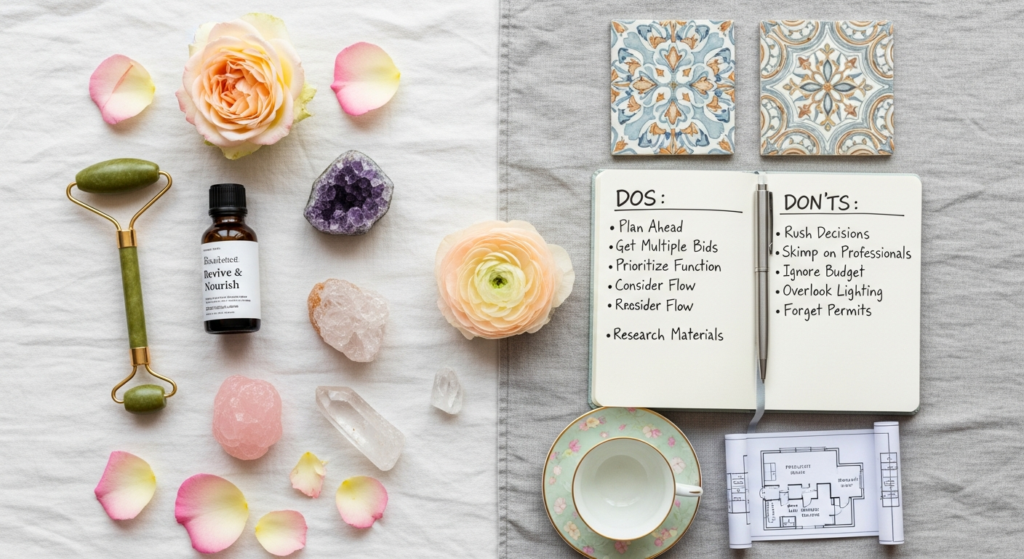
Planning Your Renovation: The Foundation of Success
Embarking on a home renovation without a solid plan is akin to setting sail without a map – you might eventually reach a destination, but the journey will likely be fraught with unexpected challenges and delays. For health-conscious women, a well-thought-out plan reduces stress and ensures the final result genuinely supports your lifestyle. This initial phase is critical for defining your vision, understanding the scope, and setting realistic expectations.
- DO Define Your Vision & Goals Clearly: Before you even pick up a paint swatch, spend time envisioning your ideal space. What problems are you trying to solve? How do you want the space to feel? Create mood boards, gather inspiration from magazines or Pinterest, and list out your must-haves versus nice-to-haves. Think about how each room serves your well-being – perhaps a serene bedroom for optimal rest, or a decluttered living area for mindfulness. This clarity will guide every subsequent decision.
- DO Establish a Realistic Budget: This is arguably the most crucial step. Research average costs for similar projects in your area. Be honest about what you can afford and factor in not just materials and labor, but also permits, potential design fees, and a crucial contingency fund (more on this later). A firm budget prevents overspending and financial strain, which can negatively impact your stress levels.
- DO Create a Detailed Timeline: Work with your contractor (or yourself, for DIY projects) to map out a realistic timeline for each phase of the renovation. Include buffer time for unforeseen delays. Understanding the duration helps you prepare for disruptions to your routine and manage expectations for when your sanctuary will be ready.
- DO Research & Understand Local Regulations: Permits are not just bureaucratic hurdles; they ensure your renovation meets safety standards and local building codes. Failing to obtain necessary permits can lead to fines, forced demolition, and difficulties when selling your home. Check with your local city or county planning department early in the process.
- DO Consider the Long-Term Value: While personal enjoyment is paramount, also think about how your renovation might impact your home’s resale value. Timeless upgrades often yield better returns than highly niche or trendy designs. Focus on improvements that enhance functionality and broad appeal.
- DON’T Make Impulsive Decisions: Avoid starting demolition or purchasing expensive materials on a whim. Every choice should align with your overall vision and budget. Rushing decisions often leads to costly mistakes and regret.
- DON’T Underestimate Hidden Costs: Beyond the obvious, remember to factor in things like temporary housing (if necessary), eating out more frequently, utility cost increases during construction, and potential repairs to things uncovered during demolition (e.g., old wiring, plumbing issues).
- DON’T Overlook Professional Advice: Even if you plan to DIY parts, consulting with an architect, interior designer, or experienced contractor for an initial consultation can provide invaluable insights, identify potential pitfalls, and help refine your vision before you commit fully.
A well-planned renovation lays the groundwork for a smoother, more enjoyable process and a final result that truly elevates your home and well-being. Take your time in this phase; it’s an investment in your peace of mind.
Budgeting & Financial Savvy: Making Every Penny Count

For health-conscious women, financial stability is a cornerstone of overall well-being. A renovation can be a significant investment, and managing your budget effectively is key to avoiding stress and ensuring your project’s success. This section focuses on the financial dos and don’ts that will keep your renovation on track without compromising your financial health.
- DO Allocate a Contingency Fund: This is non-negotiable. Aim for 10-20% of your total budget to cover unforeseen expenses. Even with meticulous planning, surprises happen – a pipe bursts, a wall needs more extensive repair than anticipated, or you simply change your mind on a fixture. Having this buffer prevents panic and costly delays.
- DO Get Multiple Quotes: Don’t settle for the first contractor or supplier you find. Obtain at least three detailed bids for every major component of your renovation. This allows you to compare costs, scope of work, and timelines, ensuring you get the best value without sacrificing quality.
- DO Track Every Expense Diligently: Use a spreadsheet, a dedicated app, or even a simple notebook to record every single expenditure, no matter how small. This helps you stay aware of where your money is going, identify potential overages early, and make informed adjustments. Review your budget regularly, ideally weekly.
- DO Prioritize & Compromise Smartly: Understand where your budget priorities lie. If a state-of-the-art kitchen is your dream, you might need to opt for less expensive finishes in a guest bathroom. Be prepared to make compromises, but do so thoughtfully, ensuring you don’t cut corners on structural integrity or essential functionalities.
- DO Consider Phased Renovations: If your dream renovation exceeds your current budget, consider breaking it down into smaller, manageable phases. This allows you to complete one area at a time, spread out the financial burden, and live with the changes before committing to the next phase.
- DO Explore Financing Options Carefully: If you need to finance your renovation, research options like home equity lines of credit (HELOCs), personal loans, or refinancing. Understand the interest rates, repayment terms, and potential risks. Choose the option that best aligns with your long-term financial goals and risk tolerance.
- DON’T Overspend on Fleeting Trends: While it’s fun to incorporate modern elements, avoid investing heavily in highly trendy items that may quickly go out of style. Focus your budget on timeless, high-quality fixtures and finishes that will stand the test of time and provide lasting appeal. Save trends for easily changeable accessories.
- DON’T Forget About Hidden Costs: Reiterate the importance of factoring in unexpected expenses. This includes disposal fees for construction debris, increased utility bills during the renovation, temporary moving and storage costs, and even the cost of eating out more frequently if your kitchen is out of commission.
- DON’T Pay for the Entire Project Upfront: This is a major red flag. Reputable contractors will require an initial deposit (typically 10-30%) and then progress payments tied to completed milestones. Paying in full upfront leaves you vulnerable if the contractor abandons the job or performs shoddy work.
- DON’T Assume DIY Always Saves Money: While some DIY projects can save money, others can end up costing more in terms of time, materials, and potential mistakes that require professional correction. Honestly assess your skills and the complexity of the task before committing to DIY, especially for critical elements like plumbing or electrical.
Mastering your renovation budget empowers you to achieve your dream home without compromising your financial peace of mind. Thoughtful planning and diligent tracking are your allies in this exciting journey.
Design & Aesthetic Choices: Crafting Your Sanctuary
- DO Prioritize Functionality & Flow: Before aesthetics, consider how you and your family actually live in the space. Does the layout make sense? Are pathways clear? Is there adequate storage? A beautiful but impractical space will lead to frustration. Think about your daily routines – for example, if you love to cook, a well-designed kitchen with efficient workflow is essential.
- DO Embrace Natural Light: Maximizing natural light can dramatically improve mood, energy levels, and even sleep cycles. Consider larger windows, glass doors, or even skylights where feasible. Use light, reflective colors on walls and avoid heavy window treatments that block sunlight.
- DO Choose Timeless Over Trendy: While incorporating current styles is fun, focus your major investments (cabinets, flooring, countertops) on classic, timeless designs. These will have longevity and appeal, whereas overly trendy choices can quickly look dated. You can always infuse personality with easily changeable accessories.
- DO Select Materials for Health & Durability: As health-conscious women, we’re mindful of what we put into our bodies and on our skin. Extend this awareness to your home. Opt for low-VOC (Volatile Organic Compound) paints, sealants, and finishes to improve indoor air quality. Consider natural materials like wood, stone, or wool, which are often more durable and sustainable.
- DO Create Zones for Specific Activities: Designate areas for different purposes. A cozy reading nook, a dedicated workspace, or a serene meditation corner can enhance functionality and provide a sense of order. In a bathroom, perhaps a dedicated area for self-care rituals, making your at-home facial experience even more luxurious.
- DO Infuse Personal Style & Meaning: Your home should tell your story. Incorporate elements that bring you joy, reflect your travels, or hold sentimental value. This could be art, heirlooms, or unique decorative pieces. Personal touches make a house a home.
- DON’T Sacrifice Comfort for Style: A stunning sofa that’s uncomfortable to sit on, or a sleek kitchen without sufficient prep space, will ultimately detract from your enjoyment. Prioritize ergonomic design and comfort, especially in high-use areas.
- DON’T Ignore Scale & Proportion: Placing oversized furniture in a small room or tiny pieces in a grand space can make a room feel awkward and unbalanced. Pay attention to how elements relate to each other in size and visual weight.
- DON’T Underestimate the Power of Lighting: Beyond natural light, a well-designed lighting plan includes layers of lighting: ambient (general illumination), task (for specific activities like reading or cooking), and accent (to highlight features). Poor lighting can strain eyes, create harsh shadows, and negatively impact mood.
- DON’T Attempt Complex Electrical or Plumbing Work Without Expertise: While some DIY is empowering, critical systems like electrical and plumbing require professional knowledge and often specific licensing for safety and compliance. Mistakes here can be dangerous and extremely costly to fix.
- DON’T Clutter Your New Space: A renovation is a perfect opportunity to declutter and simplify. Resist the urge to fill every new surface. Embrace negative space and intentional design to maintain a sense of calm and openness.
By making conscious design choices, you transform your house into a haven that supports your physical, mental, and emotional well-being, fostering a deeper connection to your living environment.
Working with Professionals: Your Dream Team
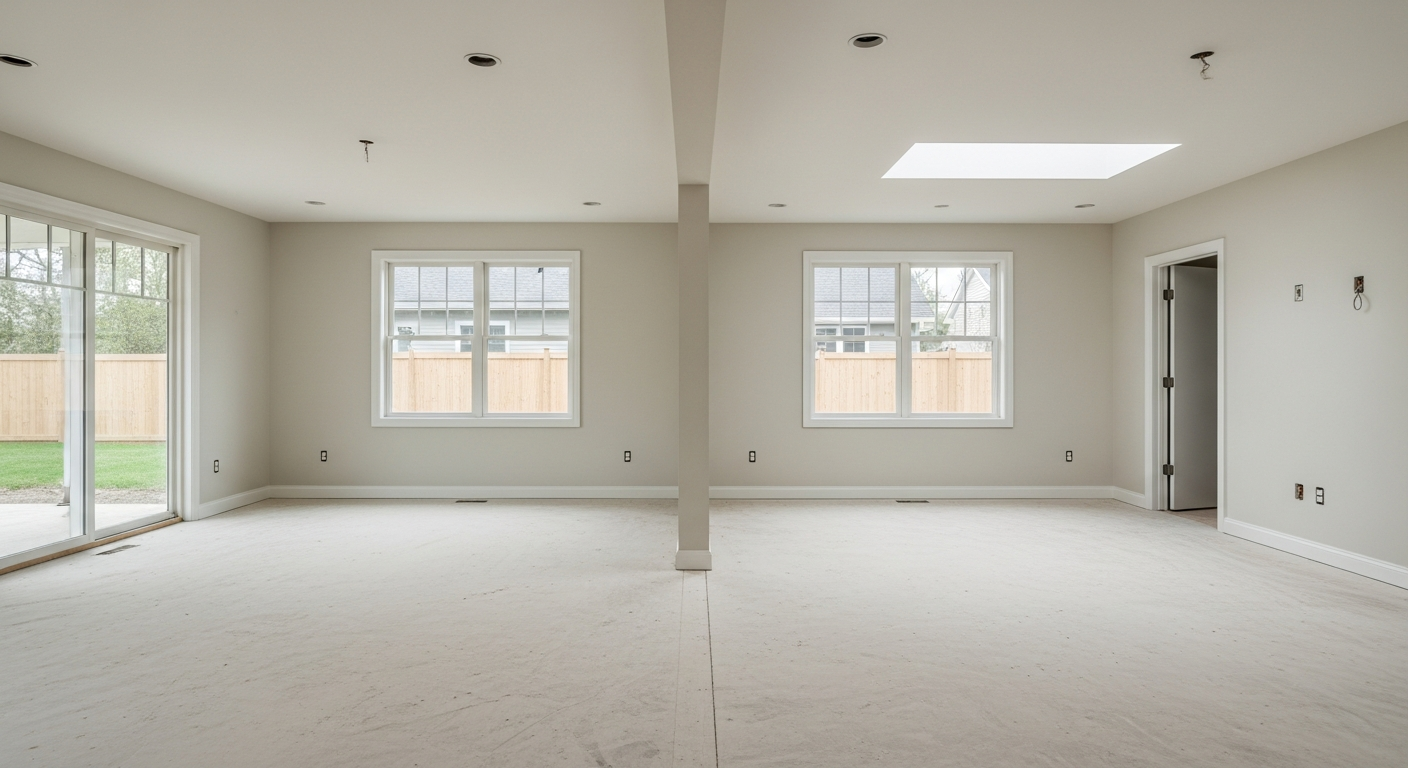
Even the most hands-on DIY enthusiast will likely need professional help for certain aspects of a home renovation. Building a reliable team of contractors, designers, and tradespeople is crucial for a smooth process and a high-quality outcome. For health-conscious women, knowing you have trustworthy experts on your side reduces stress and ensures safety and compliance.
- DO Vet Contractors Thoroughly: This is paramount. Look for contractors who are licensed, insured, and have a proven track record. Check online reviews, but also ask for a list of references and contact them directly. Ask specific questions about their experience with projects similar to yours, their communication style, and how they handle unforeseen issues.
- DO Get Everything in Writing: A detailed, written contract is your best friend. It should clearly outline the scope of work, materials to be used (including specific brands and models), payment schedule, timeline, warranty information, and a dispute resolution process. Both you and the contractor should sign and keep copies.
- DO Maintain Open & Clear Communication: Establish a primary method of communication (e.g., weekly meetings, daily texts, email) and stick to it. Don’t be afraid to ask questions or voice concerns. A good contractor will welcome your input and keep you informed of progress and any potential issues.
- DO Understand Payment Schedules: As mentioned, never pay the full amount upfront. A typical payment schedule involves an initial deposit, followed by progress payments tied to specific milestones (e.g., foundation complete, framing complete, plumbing roughed in, final inspection). Hold back a final payment (often 10%) until the project is fully complete and you are satisfied.
- DO Respect Your Contractor’s Expertise & Time: While it’s your home, trust your professionals. They have experience and knowledge. Avoid micromanaging and understand that unexpected delays can occur. Treat them with respect, and they are more likely to go the extra mile for you.
- DO Prepare Your Home for Workers: Clear pathways, protect furniture with drop cloths, and designate a workspace for your contractors. This shows consideration and helps the project proceed more efficiently. Discuss bathroom access and clean-up expectations upfront.
- DON’T Skip Reference Checks: A glossy portfolio is nice, but talking to past clients gives you insight into a contractor’s reliability, problem-solving skills, and adherence to budget and schedule. Ask if the project finished on time and within budget, and if they would hire them again.
- DON’T Hesitate to Ask for Clarification: If you don’t understand something in the contract, a quote, or a technical explanation, ask until you do. It’s your investment, and you have every right to be fully informed.
- DON’T Make Assumptions: Never assume something is included in the scope of work unless it’s explicitly stated in the contract. If you want a specific type of faucet or a particular paint color, ensure it’s documented.
- DON’T Ignore Your Gut Feeling: If something feels off during your initial consultations – a contractor is overly pushy, avoids questions, or provides an unusually low bid – trust your instincts. It’s better to walk away early than to deal with a problematic professional later.
- DON’T Micromanage, But DO Oversee: There’s a fine line between being engaged and being overbearing. Regularly check in on progress, ensure work aligns with the plans, and address issues promptly. However, let your professionals do their job without constant hovering.
Building a strong relationship with your renovation team based on trust and clear communication is fundamental to turning your vision into a reality, minimizing stress, and ultimately creating a space that enhances your well-being.
Health, Wellness & Sustainability in Renovation
As health-conscious women, our commitment to well-being extends beyond diet and exercise to the very environment we inhabit. A home renovation presents a powerful opportunity to create a space that actively supports your health, minimizes environmental impact, and promotes a sense of calm and vitality. Integrating wellness and sustainability into your renovation choices is not just a trend; it’s an investment in your long-term health and the planet.
- DO Prioritize Indoor Air Quality: This is crucial. Opt for low-VOC (Volatile Organic Compound) paints, adhesives, sealants, and flooring. These materials release fewer harmful chemicals into your home, reducing respiratory irritants and improving overall air quality. Ensure good ventilation during and after renovation by opening windows and using fans.
- DO Choose Sustainable & Eco-Friendly Materials: Look for materials with a low environmental footprint. This includes recycled content (e.g., glass countertops, composite decking), rapidly renewable resources (e.g., bamboo flooring, cork), locally sourced materials (reduces transportation emissions), and reclaimed or salvaged items (reduces waste).
- DO Invest in Energy Efficiency: Upgrading to energy-efficient windows, doors, insulation, and ENERGY STAR-rated appliances can significantly reduce your utility bills and carbon footprint. Consider smart home technology for lighting and temperature control to optimize energy use.
- DO Incorporate Biophilic Design: Bring the outdoors in. Design elements that connect occupants to nature, such as abundant natural light, indoor plants, natural materials, and views of greenery, have been shown to reduce stress and improve cognitive function.
- DO Create a Spa-Like Bathroom Retreat: Design your bathroom to be a sanctuary for self-care. Think about soft lighting, natural textures, a deep soaking tub, and perhaps a rainfall showerhead. This creates the perfect ambiance for unwinding and indulging in rituals like your at-home facial.
- DO Optimize for Natural Light & Views: We’ve touched on this, but it bears repeating. Abundant natural light boosts mood, regulates circadian rhythms, and reduces the need for artificial lighting during the day. Strategic window placement can also offer calming views of nature.
- DO Plan for Effective Waste Management: Before demolition, plan how you will sort and dispose of waste. Look for opportunities to donate usable items (cabinets, fixtures) to Habitat for Humanity ReStores or local charities, and recycle construction debris whenever possible.
- DON’T Ignore Ventilation: Beyond opening windows, consider installing or upgrading exhaust fans in bathrooms and kitchens to effectively remove moisture, odors, and airborne pollutants. A whole-house ventilation system might be a worthwhile investment in some climates.
- DON’T Compromise on Water Conservation: Install low-flow toilets, showerheads, and faucets to conserve water. Consider a greywater recycling system for irrigation if your local regulations permit it.
- DON’T Overlook the Importance of Decluttering: A renovated space can quickly lose its calming effect if it’s filled with clutter. Use the renovation as an opportunity to purge unnecessary items and incorporate smart storage solutions into your design. A tidy home contributes to a tidy mind.
- DON’T Forget About Acoustics: Noise pollution can be a significant stressor. Consider sound-absorbing materials like cork flooring, heavy drapes, or acoustic wall panels in areas where noise reduction is important, such as bedrooms or home offices.
By thoughtfully integrating health, wellness, and sustainability into your renovation plans, you’re not just building a house; you’re cultivating a home that nurtures your body, mind, and spirit for years to come.
The Renovation Journey & Your Well-being
While the end result of a home renovation is often a source of immense joy and improved well-being, the journey itself can be challenging. Living through a renovation, even a small one, can disrupt routines, increase stress levels, and test your patience. As health-conscious women, it’s vital to implement strategies that protect your mental and emotional health throughout the process, ensuring you emerge from the dust and disruption feeling empowered, not exhausted.
- DO Prioritize Self-Care: This is non-negotiable. Schedule regular breaks, even if it’s just a 15-minute walk, a quiet cup of tea, or indulging in your favorite hobby. Don’t let the renovation consume every waking moment. Remember that a stressed renovator often makes poor decisions.
- DO Maintain a Sense of Routine (Where Possible): Even if your kitchen is out of commission, try to keep consistent sleep and wake times. If your bedroom is affected, create a temporary sleep sanctuary in another room. Structure brings comfort during chaotic times.
- DO Create a “Safe Zone”: Designate one area of your home, if possible, as a renovation-free zone. This could be a bedroom, a small corner, or even just your bathroom. Keep it clean, tidy, and peaceful, a place where you can retreat from the mess and noise.
- DO Seek Support: Lean on your support network – friends, family, or your partner. Talk about your frustrations, ask for help with meals, or simply vent. Don’t try to carry the emotional burden alone.
- DO Celebrate Small Milestones: Acknowledge progress, no matter how minor. The completion of demolition, the installation of new flooring, or even a productive meeting with your contractor are all reasons to pause and appreciate the journey. This keeps morale high.
- DO Practice Mindfulness & Patience: Renovation rarely goes exactly as planned. Delays, unexpected issues, and frustrations are almost inevitable. Practice mindfulness to stay present and avoid dwelling on things you can’t control. Cultivate patience with yourself, your contractors, and the process.
- DON’T Neglect Your Mental Health: If you find yourself overwhelmed, anxious, or experiencing prolonged periods of stress, reach out for professional support. A therapist or counselor can provide coping strategies and a safe space to process your feelings.
- DON’T Burn Out: Trying to do too much, too fast, or trying to control every single detail will lead to exhaustion. Recognize your limits and delegate tasks when possible. It’s okay to take a step back.
- DON’T Ignore Communication with Your Household: If you live with others, ensure open and frequent communication about the renovation’s impact. Discuss expectations, delegate responsibilities, and be mindful of each other’s needs and stress levels during the disruption.
- DON’T Forget About Nutrition & Hydration: It’s easy to grab quick, unhealthy meals when your kitchen is a construction zone. Prioritize nourishing your body with healthy food and plenty of water. Your physical energy directly impacts your mental resilience.
- DON’T Compare Your Renovation to Others: Social media can create unrealistic expectations. Every renovation is unique. Focus on your own journey and what feels right for you, rather than striving for an unattainable “perfect” outcome based on curated images.
Navigating the renovation journey with intentional self-care and resilience ensures that when the dust settles, you’re not just left with a beautiful home, but also a renewed sense of strength and well-being.
Post-Renovation Bliss: Enjoying Your New Space
The moment the last contractor leaves, the tools are packed away, and the final layer of dust is wiped clean, marks the beginning of true post-renovation bliss. This is the time to truly inhabit and enjoy the sanctuary you’ve created. For health-conscious women, this phase is about settling in, personalizing, and maintaining your new environment in a way that continues to support your well-being. It’s not just about the reveal; it’s about the ongoing experience of living in a space that truly feels like home.
- DO A Thorough Post-Renovation Clean: Even if your contractor did a “broom clean,” there will be fine dust everywhere. Invest in a professional post-construction cleaning service or dedicate significant time to a deep clean. This ensures you start fresh in an allergen-free environment.
- DO Organize & Declutter Intentionally: With your new layout and storage solutions, take the opportunity to organize your belongings thoughtfully. Give everything a designated home. This reinforces the sense of calm and order you’ve worked so hard to create.
- DO Personalize Your Space: Now that the structural work is done, it’s time to add your unique touches. Bring in artwork, textiles, plants, and decorative items that reflect your personality and bring you joy. This truly makes the house feel like your home.
- DO Create a Serene Sleep Environment: If your bedroom was part of the renovation, ensure it’s set up for optimal rest. Consider blackout curtains, comfortable bedding, and minimal electronics. Remember our 3 tips to help you fall asleep in your new home: optimize light, sound, and temperature.
- DO Establish New Routines: With a new kitchen, bathroom, or living area, you might find new ways of living. Embrace these changes. Perhaps a morning yoga routine in your bright new living room, or a more efficient meal prep strategy in your updated kitchen.
- DO Update Your Home Insurance: Inform your insurance provider about the renovations. Major improvements can increase your home’s value, which may necessitate an adjustment to your policy to ensure adequate coverage.
- DO Schedule Regular Maintenance: To protect your investment, establish a maintenance schedule for your new additions. This could include cleaning grout, checking appliance filters, or resealing countertops. Regular care extends the life of your renovation.
- DO Enjoy & Celebrate: Take time to simply relax and appreciate your transformed space. Host a small gathering, enjoy a quiet evening in, or simply sit and soak in the ambiance you’ve created. You’ve earned this moment of bliss.
- DON’T Let Clutter Creep Back In: It’s easy for new spaces to become cluttered again over time. Be mindful of what you bring into your home and regularly declutter to maintain the peaceful environment you’ve established.
- DON’T Forget to Document: Take “after” photos of your completed renovation. This is not only satisfying but can also be useful for insurance purposes or if you ever decide to sell your home.
- DON’T Ignore Any Lingering Issues: If there are small defects or items that weren’t quite right, address them promptly with your contractor within the warranty period. Don’t let minor annoyances fester.
- DON’T Rush the Decoration Process: While you’ll be eager to furnish and decorate, allow yourself time to live in the space for a bit. This helps you understand how you truly use the rooms and what furniture or decor will best suit your needs and style.
Your renovated home is a testament to your vision and effort. By consciously inhabiting, maintaining, and cherishing this space, you continue to foster a harmonious environment that supports your holistic well-being for years to come.
Frequently Asked Questions
Recommended Resources
For more on home renovation dos, see Celebrity Inspired Vision Board Ideas on Celebrity Exchange.
For more on home renovation dos, see Best White Sneakers For Women 2026 on Fashion Goggled.